Factory Direct Self Locking Quick Change Drills for Efficient Precision Drilling
When precision hole-making demands speed, safety, and repeatability, Self locking Quick change Drills deliver the secure connection and rapid bit changes that professional users expect. RONGKE engineers these drill bits to lock positively into quick-change hex chucks, eliminating slip, wobble, and the need for a traditional keyed chuck. The result is a more productive drilling workflow in metal fabrication, woodworking, electrical installation, automotive repair, and general construction.
RONGKE has focused on drill bit innovation for over two decades, combining high-grade raw materials, precision grinding, and strict quality control. Every self locking quick change drill is designed to meet the demands of cordless drills, impact drivers, and quick-change adapters used on production lines and job sites. The self-locking shank ensures the bit stays seated during aggressive cutting, while the quick-change geometry allows tool-free removal in seconds.
What Are Self Locking Quick Change Drills?
They are cutting tools that combine a standard twist drill body with a special 1/4-inch hexagonal shank featuring a locking groove or ball detent cavity. The shank is inserted into a quick-change chuck, and a spring-loaded ball or locking collar snaps into the groove. This creates a positive mechanical lock that resists axial pull-out forces during drilling.
Unlike round shank drill bits that rely on chuck jaw friction, self locking quick change drill stays locked even when the user pulls backward or when the bit encounters hard knots, weld seams, or laminated materials. The design reduces slippage, improves concentricity, and extends the life of both the drill bit and the chuck. RONGKE manufactures these bits to tight shank tolerances so they fit all major quick-change systems, including 1/4-inch hex impact drivers and locking bit holders.
The self-locking feature is especially valuable for overhead drilling, tight-space applications, and high-torque cordless tools. The bit will not fall out when the tool is inverted, and it releases quickly when the user pulls the chuck collar. This makes bit changes faster and safer than traditional keyed or keyless chucks.
Key Benefits
- Positive locking: The ball detent groove prevents the bit from pulling out, even under high thrust loads.
- Tool-free changes: Insert and release the bit in less than two seconds without a chuck key.
- High torque transfer: The 1/4-inch hexagonal shank provides six flat contact surfaces that eliminate round-shank slippage.
- Improved concentricity: Precision-ground shanks keep total indicated runout below 0.002 inches, reducing hole oversize and vibration.
- Wide compatibility: Fits impact drivers, quick-change adapters, and standard 1/4-inch hex chucks from major power tool brands.
- Extended tool life: Premium HSS, cobalt, and carbide substrates with optional TiN, TiAlN, and black oxide coatings resist heat and abrasion.
- Reduced downtime: Rapid bit swaps keep assembly lines and field crews working without tool change delays.
- Safety in overhead work: The bit stays locked when inverted, preventing dropped tools and damaged workpieces.
Installation and Removal Guide
Proper insertion and removal of RONGKE self locking quick change drills ensures maximum locking force and prevents premature shank wear. Follow these steps for single-sleeve and double-sleeve quick-change chucks.
- Hold the chuck collar in the release position if required. For single-sleeve chucks, simply push the drill bit into the chuck until you hear or feel a click.
- Pull backward on the drill bit to confirm that the locking ball has engaged the retaining groove. The bit should not move more than 0.010 inch axially.
- Rotate the bit slightly by hand to ensure the hex flats seat fully into the chuck. There should be no visible rocking.
- To remove, pull the chuck collar away from the tool for double-sleeve models, or press the release button on single-sleeve models, then pull the drill bit straight out.
- If the bit does not release easily, rotate the chuck collar back and forth while pulling. Do not strike the bit or use pliers on the flutes, as this can damage the cutting edges and shank.
Inspect the shank retention groove before each use. Worn or deformed grooves may not lock securely and should be replaced. RONGKE drills are designed for over 10,000 locking cycles under normal use, but high-grit environments can accelerate wear.
Maintenance and Safety
Self locking quick change drill last longer when users follow basic maintenance practices. Keep the flutes free of packed chips, especially when drilling aluminum or gummy materials. Use a brass brush or compressed air to clear chips after each hole. Do not use a wire wheel on coated surfaces because it can remove the coating layer.
Store drills in a dry environment or in a tool roll to prevent corrosion on uncoated bright and black oxide surfaces. TiN and TiAlN coated drills are less prone to rust, but the shank area may still require an occasional light oil film if used outdoors.
For safety, always wear safety glasses when drilling. Secure the workpiece with clamps or a vise to prevent movement. Use the correct drill speed for the material and diameter. Excessive speed generates heat that dulls the cutting edge and can damage the locking groove. Allow the drill to cool between deep holes in hard materials. RONGKE recommends peck drilling for holes deeper than three times the drill diameter to clear chips and reduce heat buildup.
Frequently Asked Questions
Q: What is the difference between a standard quick-change drill and a self locking quick change drill?
A: A standard quick-change drill has a 1/4-inch hex shank that fits into a quick-change chuck but may rely only on a spring-loaded ball for retention. A self locking quick change drill has a precision-ground locking groove that the ball or pin engages fully, creating a positive mechanical stop against axial movement. RONGKE self locking drill bits hold against higher pull-out forces, stay locked when the tool is inverted, and release cleanly when the chuck collar is actuated. The groove depth and width follow strict tolerances for repeatable locking performance.
Q: How do I choose the correct drill size for a self locking quick change drill?
A: Select the drill diameter based on the final hole size required for the fastener, pilot hole, or clearance fit. For a tapped hole, use a drill size that corresponds to the recommended tap drill for the thread pitch. RONGKE offers fractional inch sizes from 1/8 inch to 1/2 inch, and metric sizes from 3 mm to 13 mm. For screw pilot holes in wood, choose a drill diameter slightly smaller than the screw root diameter. In metal, use a drill diameter equal to the screw minor diameter or tap drill size. The 135° split point reduces walking, so a center punch may not be required in sheet metal.
Q: What causes a self locking quick change drill to spin in the chuck or not lock properly?
A: The most common cause is a worn or incompatible quick-change chuck. If the locking ball is damaged, the retention groove is filled with debris, or the groove dimensions do not match the chuck, the bit will not lock. Check that the groove is free of chips, rust, or burrs. Verify that the chuck accepts standard 1/4-inch hex power bits with a retention groove. Some compact impact drivers have a shorter insertion depth that may not reach the groove. In that case, use a locking bit holder extension. RONGKE drills are manufactured to the industry-standard 0.190 to 0.195 inch groove diameter, so they lock correctly in chucks that meet the same specification.
Q: How long do RONGKE self locking quick change drills last in production drilling?
A: Tool life depends on workpiece hardness, feed rate, cutting speed, coolant use, and the operator’s technique. In mild steel at recommended speeds, TiAlN-coated M35 cobalt RONGKE drills typically drill 150 to 300 holes before re-sharpening. In aluminum with bright finish M2 drills, tool life often exceeds 500 holes. In stainless steel at moderate speeds, TiAlN cobalt drills average 80 to 150 holes. Solid carbide drills in hard steel may last 50 to 100 holes due to the abrasive nature of the material. To maximize life, use a cutting fluid or lubricant, peck drill deep holes, and reduce speed when drilling high-strength alloys.
- View as
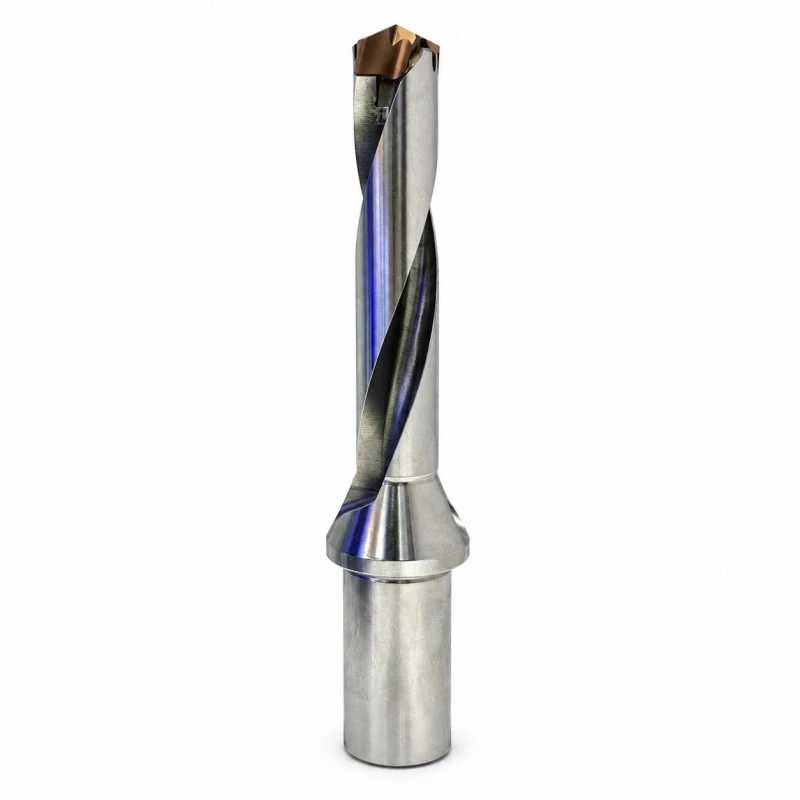
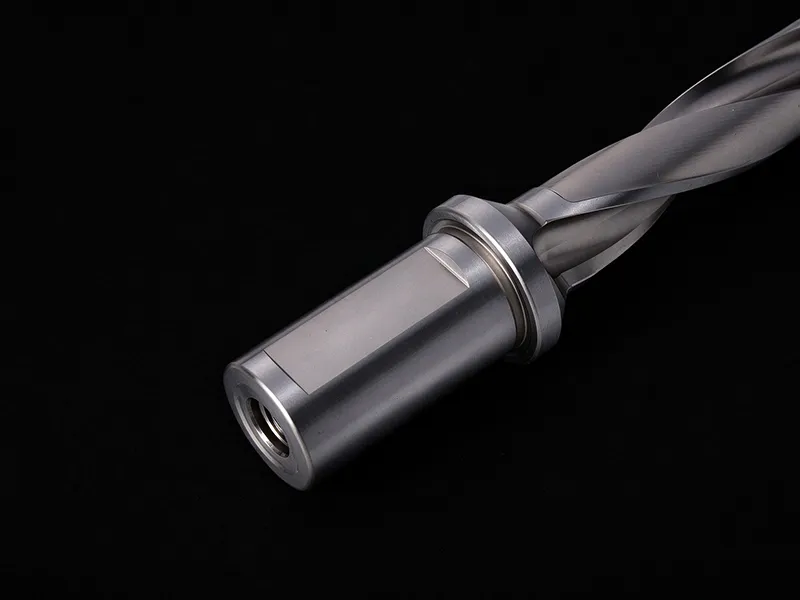
Internal Coolant Quick Change Self Locking Drill
When fluid delivery is a key selection requirement, RONGKE Internal Coolant Quick Change Self Locking Drill supports selection around the combination of TDPA tip fit and internal coolant delivery. Contact us for purchase planning. Coolant is a family feature across the listed length options. Specify body reach and confirm transfer through the machine holder when requesting the assembly.
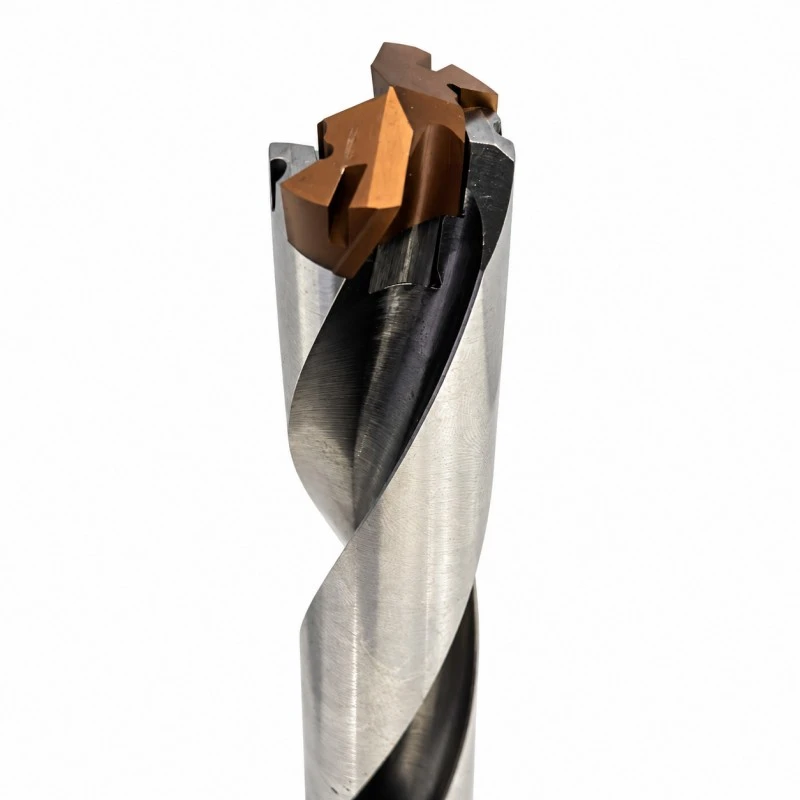
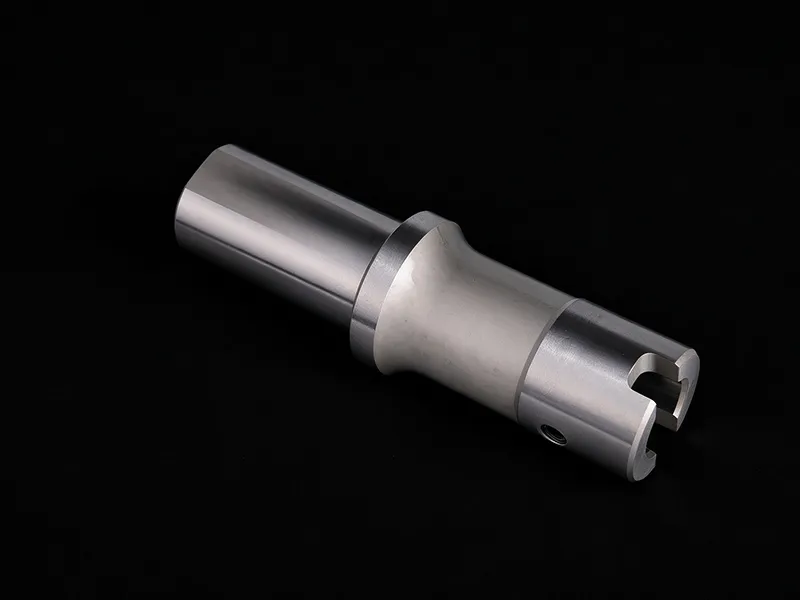
Quick Change Self Locking Drill Bits 12D
For the longest documented TD depth option, RONGKE Quick Change Self Locking Drill Bits 12D supports selection around entry guidance and chip travel over the 12D working depth. Contact us for bulk orders. The cited Ø20 mm group has 243.6 mm effective depth. Request a matched body and TDPA tip, with entry guidance, working-end alignment and coolant supply reviewed for the deep-hole setup.
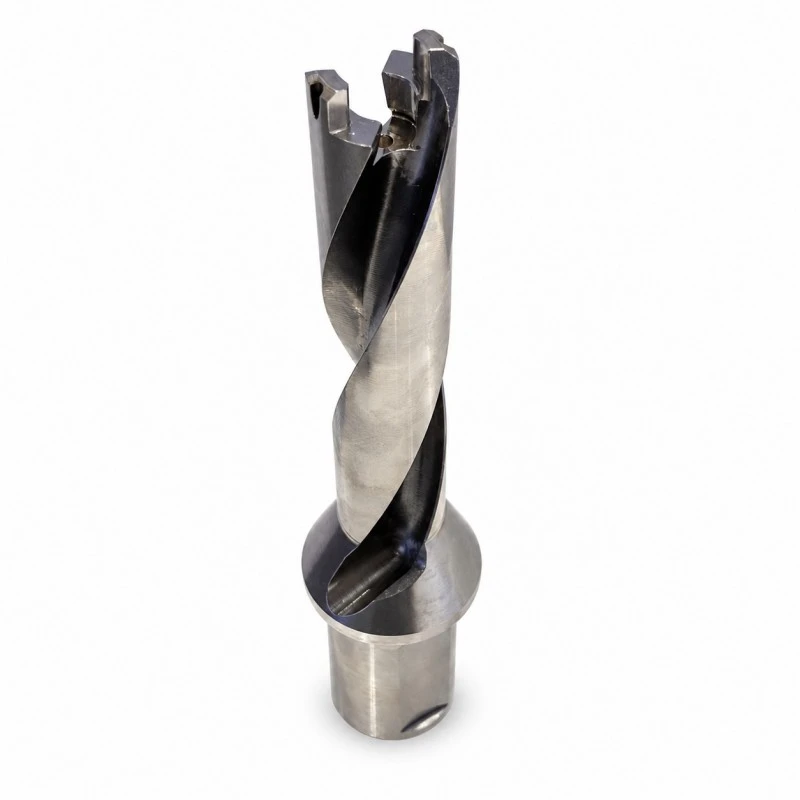
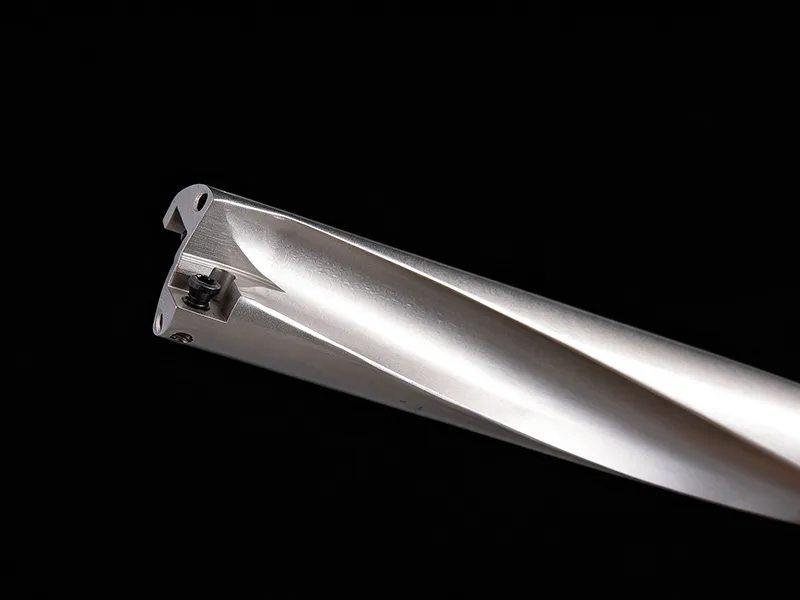
Quick Change Self Locking Drill Bits 5D 8D
When a job outgrows the shorter TD bodies, RONGKE Quick Change Self Locking Drill Bits 5D 8D supports selection around the difference in usable drilling depth between 5D and 8D. Contact us for factory pricing. At the cited Ø20 mm group, depth increases from 103 to 163 mm. Select the required reach and review entry alignment and coolant access before ordering.
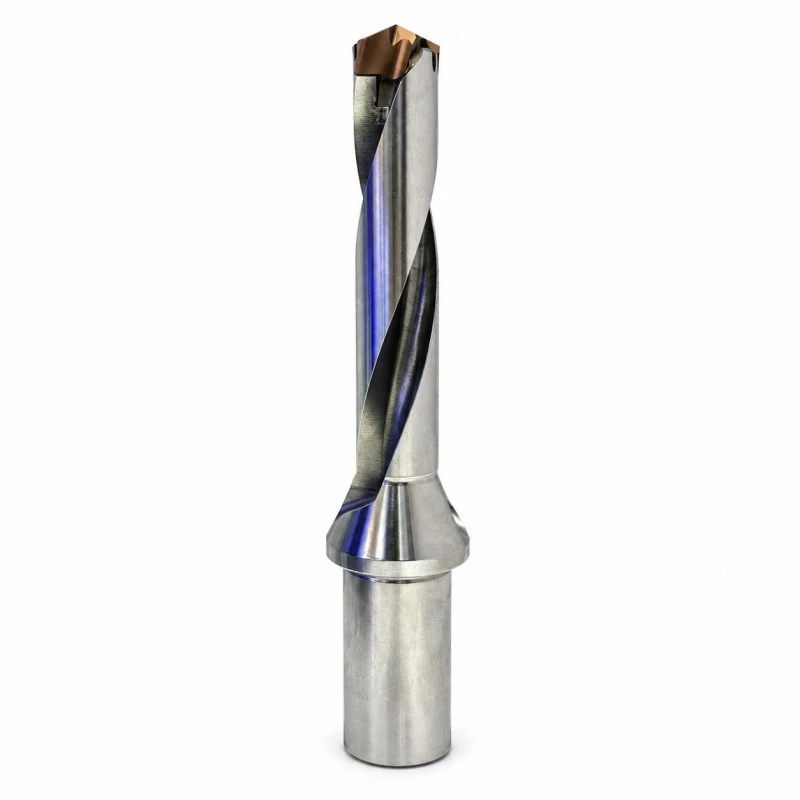
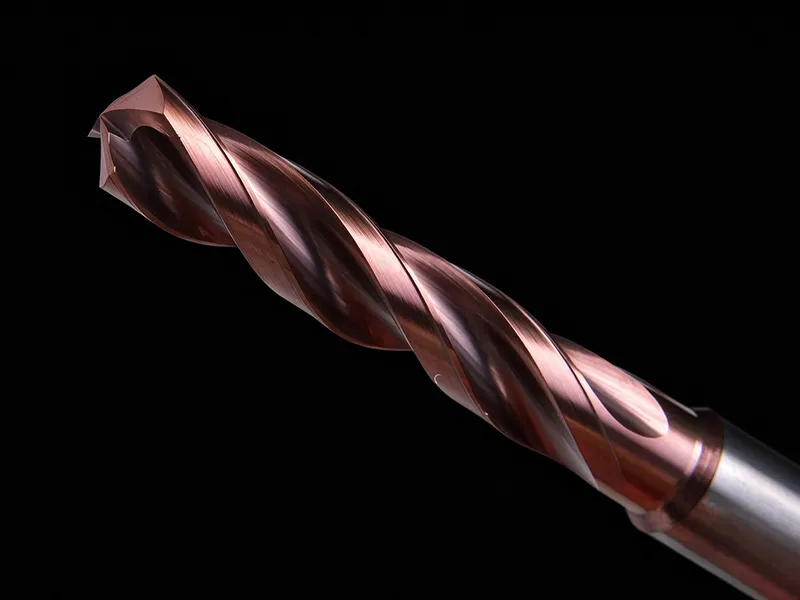
Quick Change Self Locking Drill Bits 1.5D 3D
For shorter holes and accessible tip replacement, RONGKE Quick Change Self Locking Drill Bits 1.5D 3D supports selection around front access for tip changes in a short-hole setup. Contact us for wholesale enquiries. Their matched TDPA tips are changed from the front with the specified wrench. Request the confirmed body dimensions and tip group so the selected reach suits the hole and replacement access.
RONGKE supplies Self locking Quick change Drills directly from our factory. Get in touch today for pricing and orders!
News Recommendations