Bulk Order Indexable Shallow Hole Drills for Precision Machining
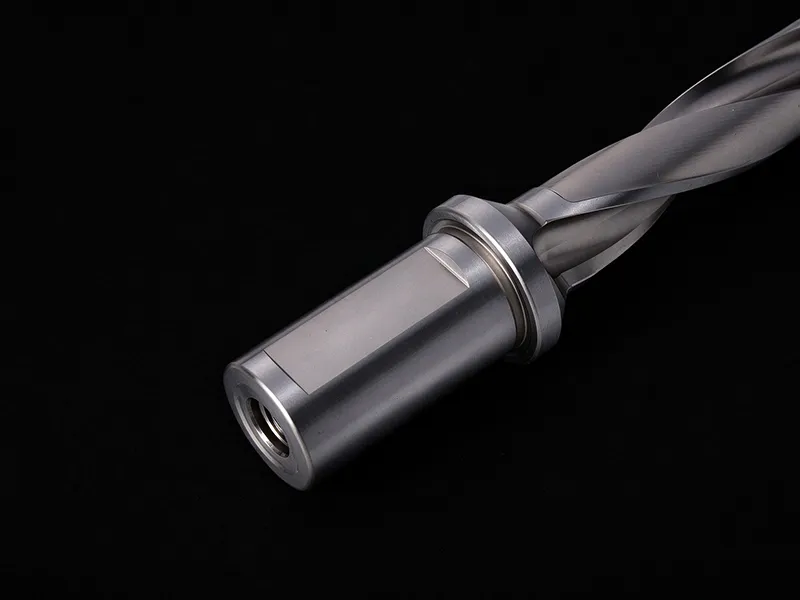
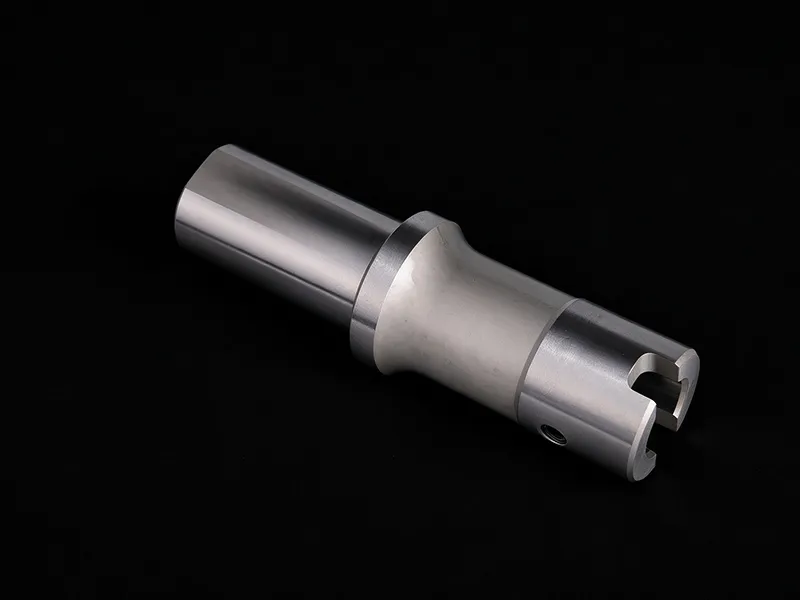
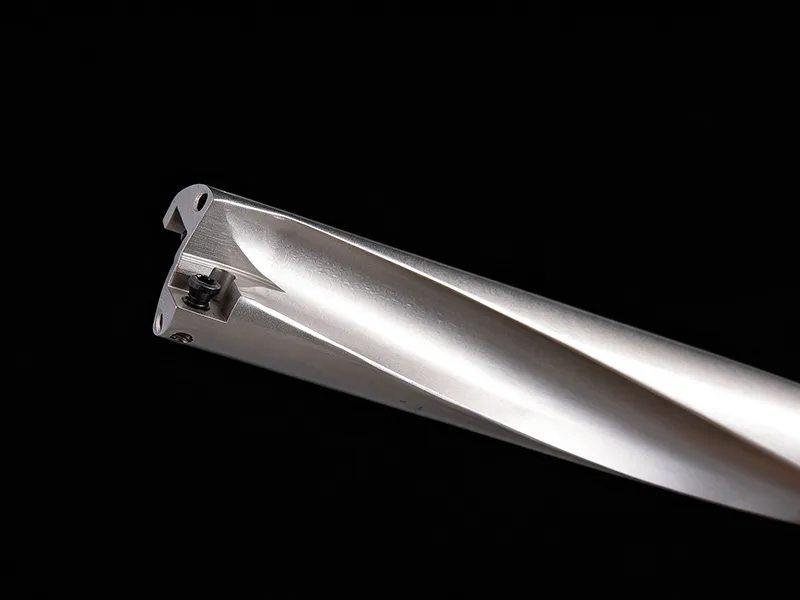
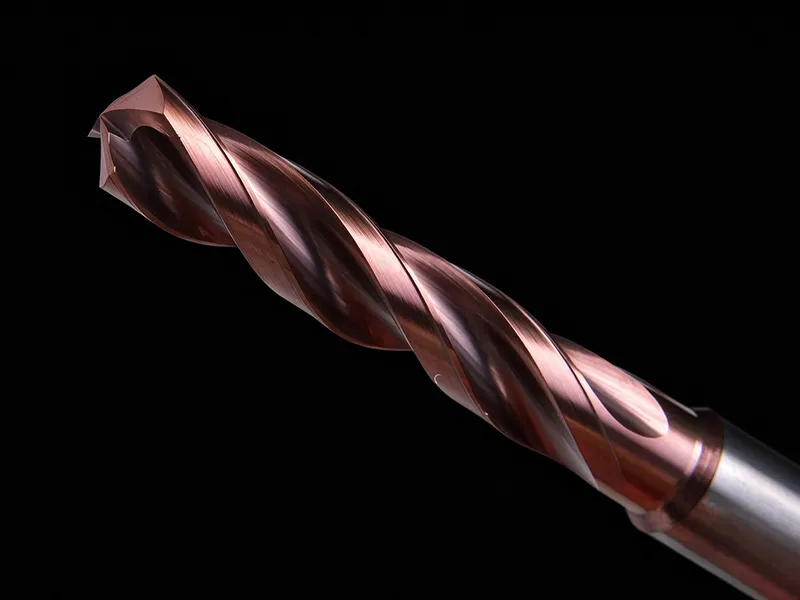
In modern hole-making applications, a significant portion of machined features do not require deep hole penetration. When the depth-to-diameter ratio remains below approximately 3xD, solid carbide tooling often introduces unnecessary rigidity, higher upfront cost, and limited flexibility. Indexable Shallow Hole Drills from RONGKE are engineered specifically for these short-depth operations. They combine replaceable carbide inserts with precision-ground steel bodies to deliver consistent hole quality, lower cost per edge, and faster insert indexing compared with regrinding solid tools.
RONGKE designs its indexable shallow hole drill to handle a broad range of materials, from low-carbon steels and stainless steels to cast iron, aluminum alloys, and high-temperature alloys. The tool bodies are manufactured with advanced grinding and heat treatment processes, ensuring repeatable seat positioning and reliable chip evacuation even in short-chipping materials. By using two effective cutting edges per insert, the drills reduce downtime for tool changes and allow operators to maintain stable production rates across long runs.
Core Benefits
- Lower cost per hole: Replaceable inserts eliminate the need to purchase and regrind entire solid carbide drills. Each insert typically offers two or more cutting edges, spreading cost across many holes.
- Fast insert indexing: No complex setup is required to change a cutting edge. Loosen the clamping screw, rotate or replace the insert, and the drill is ready without changing tool offsets in most cases.
- High hole tolerance stability: Precision-ground seating surfaces and balanced insert pockets allow RONGKE drills to hold IT9 to IT11 hole tolerances under stable machine conditions, depending on workpiece material and fixture rigidity.
- Internal coolant capability: Through-tool coolant channels direct fluid exactly at the cutting zone, improving chip flushing and reducing thermal load on the insert edge.
- Wide material coverage: Multiple insert grades and chip breakers are available, covering ISO P, M, K, N, and S material groups with appropriate cutting data.
- Rigid body design: Alloy steel bodies are heat treated to HRC 45–50 and precision ground to reduce runout and vibration in short-depth operations.
- Reduced inventory: One body diameter can machine several hole sizes within a limited range through insert adjustment, although dedicated bodies are recommended for critical tolerances.
Dimensional Capacity and Hole Depth Options
RONGKE indexable shallow hole drills are offered in three standard depth configurations to match the most common shallow drilling requirements:
- 1.5xD: Shortest design with maximum rigidity. Best for very high feed rates and tight hole position tolerances. Recommended for stacked plates, thin-wall components, and chamfering operations followed by drilling.
- 2xD: Balanced design suitable for most general machining tasks. Provides enough flute length for efficient chip evacuation while maintaining high stability. Ideal for automotive and hydraulic component drilling.
- 3xD: Extended shallow depth for applications that require slightly deeper holes without moving to deep-hole tooling. Works well for through holes in flanges, bearing housings, and structural parts.
For diameters below 14.00 mm, RONGKE recommends solid carbide or brazed indexable designs due to insert size constraints. For diameters above 65.00 mm, custom modular heads and cartridge-style drills can be engineered with the same insert clamping principles.
Application Range and Industry Use
- Automotive components: Brake calipers, wheel hubs, steering knuckles, transmission flanges, and engine brackets often require multiple shallow holes with tight positional tolerances.
- Hydraulic and pneumatic systems: Valve bodies, manifold blocks, and cylinder end caps demand consistent hole diameters and smooth entry edges for sealing surfaces.
- General engineering: Bearing housings, gear blanks, pump casings, and structural weldments benefit from reduced tool cost and quick insert indexing.
- Energy sector: Wind turbine hubs, generator housings, and heat exchanger plates require large-diameter shallow holes that are economically produced with indexable drills.
- Aerospace structural parts: Aluminum frames, titanium brackets, and stainless steel fittings use RONGKE indexable shallow hole drills with specialized inserts for high-value materials.
Frequently Asked Questions
Q: What is the maximum depth an indexable shallow hole drill can reach?
A: The standard maximum depth for RONGKE indexable shallow hole drill is 3xD, where D is the nominal drill diameter. This means a 20 mm drill can produce a hole up to 60 mm deep, and a 50 mm drill can reach 150 mm deep. Depths beyond 3xD generally require deep-hole tooling with better chip evacuation and support, although special 4xD and 5xD versions can be manufactured for specific applications if the workpiece setup allows adequate coolant flow and chip clearance.
Q: How do I choose between a 1.5xD, 2xD, and 3xD drill body?
A: The choice depends on hole depth, required positional accuracy, and machine rigidity. A 1.5xD body is shortest and most rigid, making it ideal for high feed rates and tight hole positions. A 2xD body offers the best balance of reach and stability for general machining. A 3xD body extends the depth capability but may require reduced cutting parameters and better coolant pressure to maintain hole quality. If your hole depth is only slightly above 1xD, select a 1.5xD tool to maximize rigidity and tool life.
Q: Can RONGKE indexable shallow hole drills be used on a lathe?
A: Yes, RONGKE drills can be used on lathes with driven tooling or in static tool holders when the workpiece rotates. For rotating applications, the drill is normally held stationary and the workpiece rotates, which provides natural centering. For static drilling on a lathe with a rotating tool, ensure the turret alignment and tool holder runout are within 0.02 mm. Through-tool coolant is strongly recommended to flush chips from the hole, especially when drilling horizontally or upward.
Q: What is the recommended starting feed for a 25 mm diameter RONGKE indexable shallow hole drill in mild steel?
A: For a 25 mm diameter drill in low-carbon steel with a RK20 insert, start at a cutting speed of 150 m/min and a feed rate of 0.12 mm/rev. This corresponds to approximately 1,910 rpm and 229 mm/min feed. If the machine spindle or fixture is not rigid, reduce feed to 0.08 mm/rev and increase coolant pressure. Monitor chip formation. Short, well-broken chips indicate correct feed. Long stringy chips may require higher feed or a different chip breaker geometry.
Q: Can one RONGKE drill body accept inserts for different materials?
A: Yes, the insert seat geometry is standardized within each diameter range. The same drill body can use RC-SM, RC-MM, RC-HM, RC-HT, and RC-AL inserts as long as the insert size code matches the body. This allows a shop to drill mild steel with one insert grade and then switch to stainless or cast iron by changing inserts only, without buying a new drill body. Always verify the insert clamping torque and seating cleanliness after every change.
Q: How do I check insert wear and decide when to index?
A: Inspect the insert cutting edges after every batch or at regular intervals. Typical wear indicators include flank wear exceeding 0.3 mm, chipping on the cutting edge, notch wear at the depth-of-cut line, or poor hole finish and increased spindle load. When any of these signs appear, index the insert to a fresh edge. Do not wait until complete insert failure, as this can damage the drill body and produce oversize or tapered holes. Keep a log of holes produced per edge to establish a consistent indexing interval.
Q: What hole tolerance can I expect from a RONGKE indexable shallow hole drill in a standard machining center?
A: Under rigid conditions with minimal tool overhang, a properly maintained RONGKE indexable shallow hole drill can hold hole tolerances of IT9 to IT10. With excellent machine spindle condition and a pilot or guide bushing, IT8 may be achievable on some sizes. For repeated production, measure the first holes and adjust tool offsets or boring operations if tighter tolerances are required.
- View as
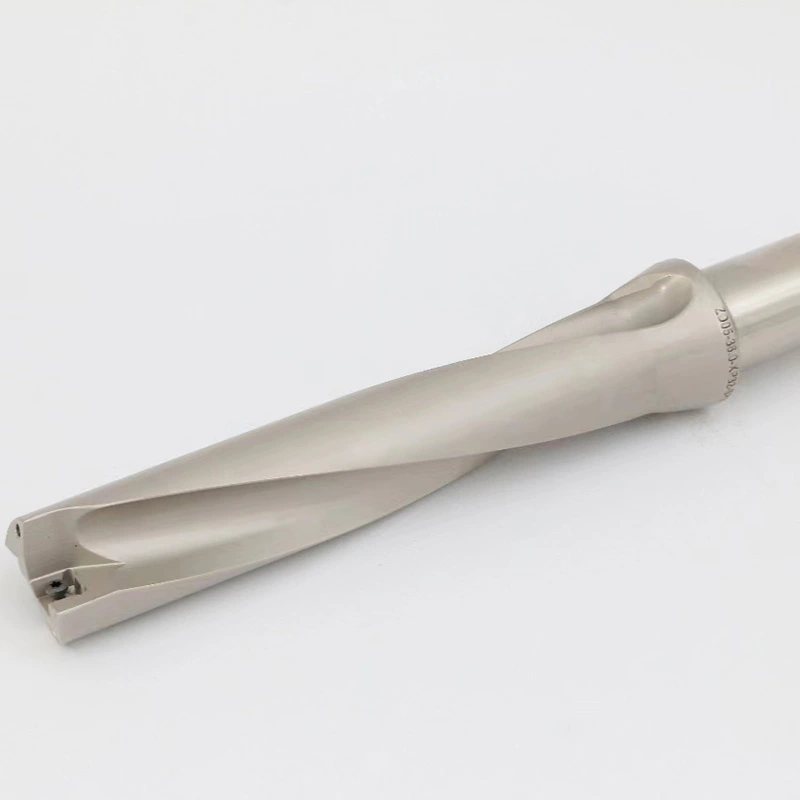
Internal Coolant Indexable U Drill for Shallow Hole
For a machine equipped to supply coolant through the holder, RONGKE Internal Coolant Indexable U Drill For Shallow Hole supports selection around the coolant transfer path through the machine holder. Contact us for factory pricing. Coolant delivery and insert-pocket choice are separate decisions: confirm the holder connection, required depth and WCMT or SPMG system before ordering the assembly.
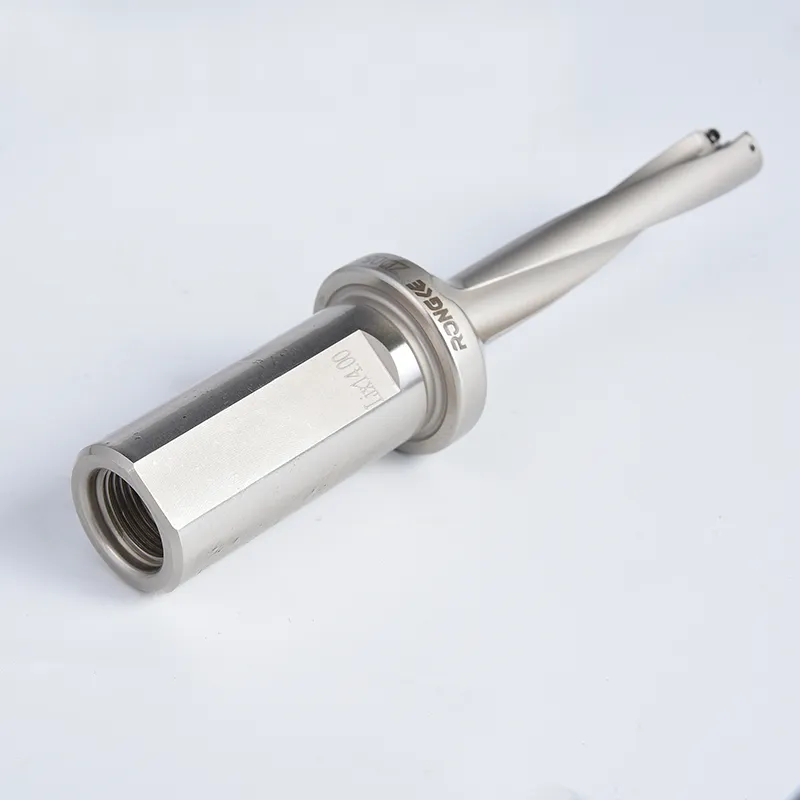
Indexable SP Insert U Drill for Shallow Hole
When an existing process uses SPMG inserts, RONGKE Indexable SP Insert U Drill For Shallow Hole supports selection around SPMG pocket selection and size-specific fastening. The referenced 2D range starts at Ø13 mm, and SP bottom-wave dimensions support blind-hole planning. Specify the SP body, insert size and usable depth when requesting a quotation.
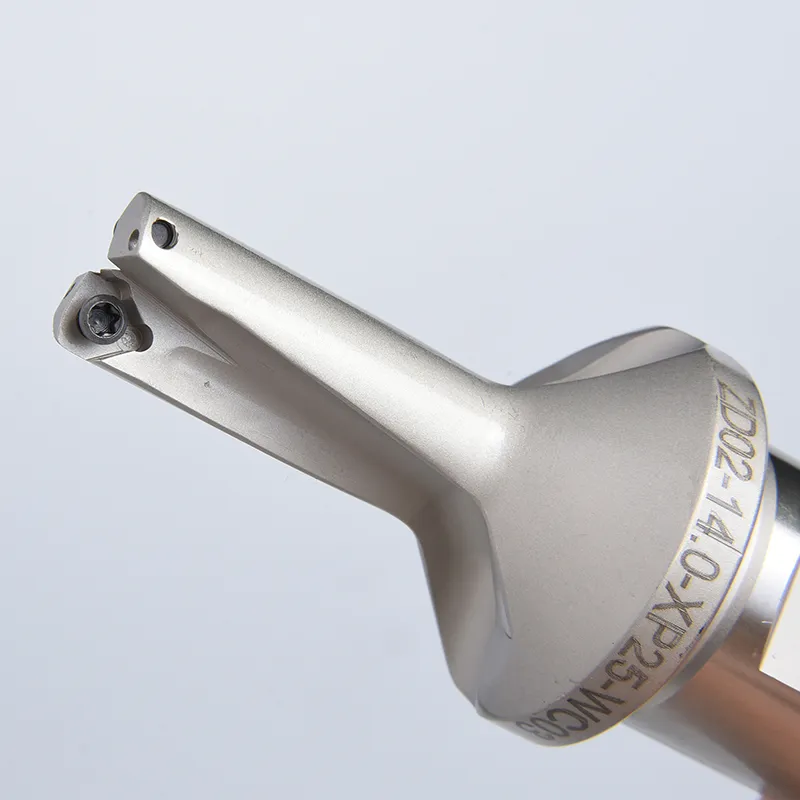
Indexable WC Insert U Drill for Shallow Hole
For shops stocking WCMT inserts, RONGKE Indexable WC Insert U Drill for Shallow Hole supports selection around WCMT replacement stock and blind-hole bottom allowance. Contact us for supplier quotations. Choose from the 2D–5D body tables and include the WC bottom-profile allowance for blind holes. Request the complete WC body and insert combination for your required diameter.
RONGKE supplies Indexable Shallow Hole Drills directly from our factory. Get in touch today for pricing and orders!
News Recommendations