Factory Direct Shallow Hole Drilling Tools for Efficient and Precise Drilling Operations
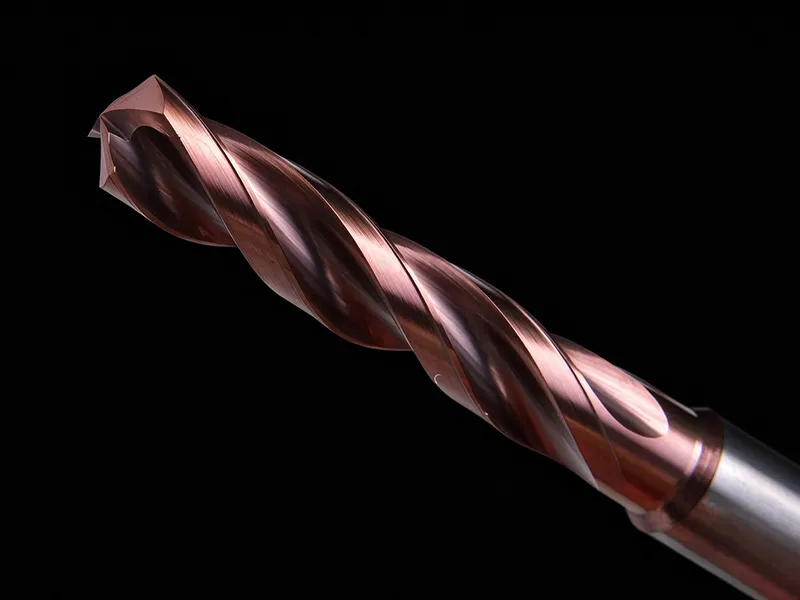
In precision machining, the difference between a stable process and costly rework often comes down to tool selection. Shallow Hole Drilling Tools play a critical role in producing accurate, repeatable bores with depths typically less than five times the diameter. RONGKE has spent years refining this category to deliver tools that combine rigid geometry, advanced coatings, and precise coolant delivery for demanding production environments.
What Defines a Shallow Hole Drilling Application
Shallow hole drilling is generally classified as creating holes where the depth-to-diameter ratio is 5:1 or lower. Unlike deep hole drilling, which requires specialized pecking cycles and high-pressure coolant through the tool, shallow hole drilling focuses on maximizing material removal rates while maintaining tight positional accuracy and excellent surface finish. Common operations include pilot holes, clearance holes, counterbores, and short precision bores in automotive, aerospace, energy, and general machining industries.
RONGKE engineers its shallow hole drilling tools with a shorter overall length and a reinforced core to resist deflection under aggressive feed rates. This design philosophy allows shops to push higher cutting parameters without sacrificing hole straightness or diameter tolerance. The result is a tool that performs consistently across cast iron, carbon steel, alloy steel, stainless steel, aluminum alloys, and heat-resistant superalloys.
RONGKE Product Range
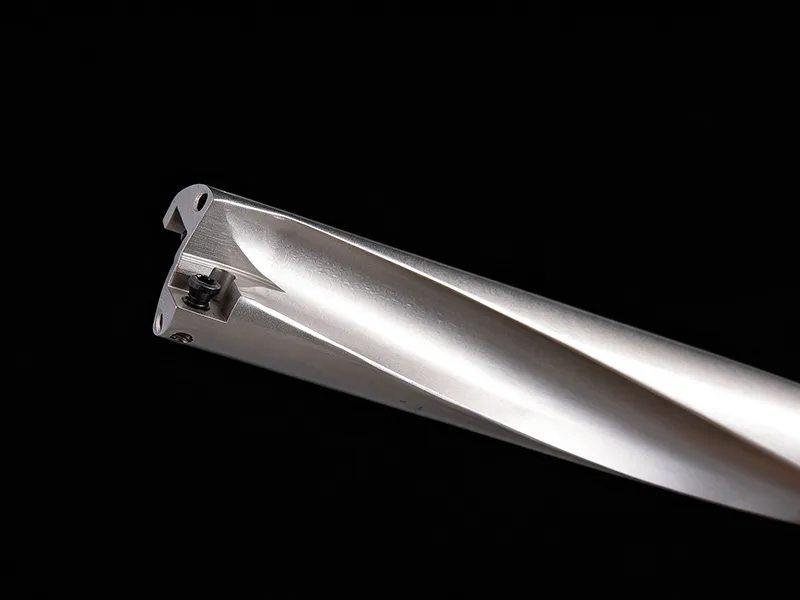
The RONGKE shallow hole drilling tools portfolio includes solid carbide drills, indexable insert drills, and brazed carbide-tipped drills. Each configuration serves a specific hole size range and production volume. Solid carbide tools excel in small diameters from 3 mm to 20 mm, offering high rigidity and chip evacuation efficiency. Indexable insert drills cover larger diameters from 16 mm to 50 mm, providing low cost per hole and easy insert replacement. Brazed carbide-tipped options bridge the gap for mid-range diameters where solid carbide becomes cost-prohibitive but indexable tooling lacks the required precision.
Application Areas
- Automotive manufacturing: Valve guide bores, injector seats, transmission component holes, brake caliper fluid passages, and engine block bolt holes.
- Aerospace and defense: Rivet holes, fastener pilot holes, hydraulic manifold ports, and structural component mounting holes in aluminum, titanium, and nickel alloys.
- Energy sector: Flange bolt holes, heat exchanger tube sheet drilling, and short bores in turbine components.
- General machining and job shops: Clearance holes, counterbores, dowel pin holes, and pre-machining for reaming or tapping operations.
- Medical device manufacturing: Small diameter shallow holes in stainless steel, cobalt chrome, and titanium for orthopedic implants and surgical instruments.
Frequently Asked Questions
What is considered a shallow hole in drilling operations?
A shallow hole is generally defined as a hole with a depth-to-diameter ratio of 5:1 or less. For example, a 10 mm diameter hole with a depth of 50 mm is classified as a shallow hole. This distinction matters because shallow holes do not require the specialized high-pressure coolant systems, pecking cycles, and long-chip evacuation strategies used in deep hole drilling. However, shallow holes still demand rigid tooling and correct geometry to maintain size, location, and surface finish under high feeds.
What drill point angle should I choose for shallow holes?
The ideal drill point angle depends on the workpiece material and the entry conditions. For general steels and cast iron, a 135° point angle with a split point is recommended because it reduces thrust force, improves self-centering, and produces a stable cutting action. For aluminum and other non-ferrous alloys, 118° to 130° angles are common because they reduce burr formation and improve chip flow. For harder materials or when entering on an inclined surface, a 140° to 150° point angle provides additional edge strength and reduces the risk of chipping.
Can RONGKE shallow hole drilling tools be used on both CNC lathes and machining centers?
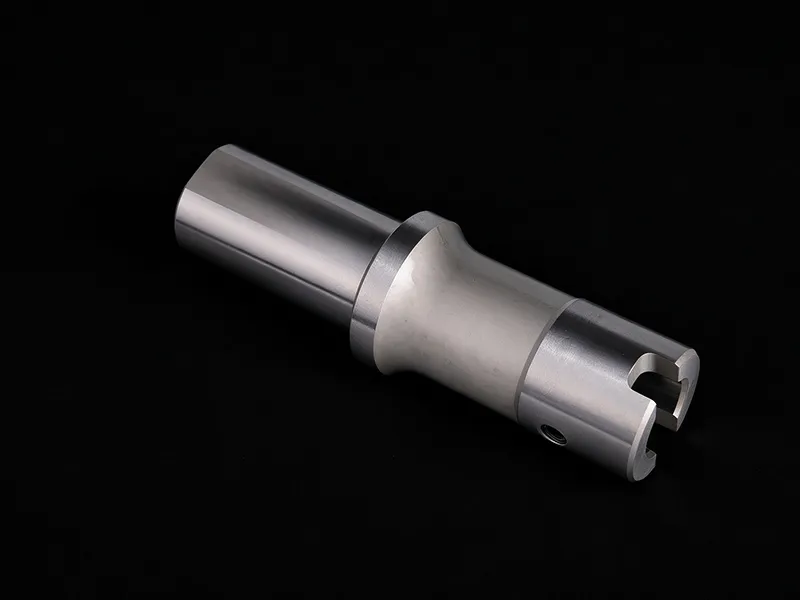
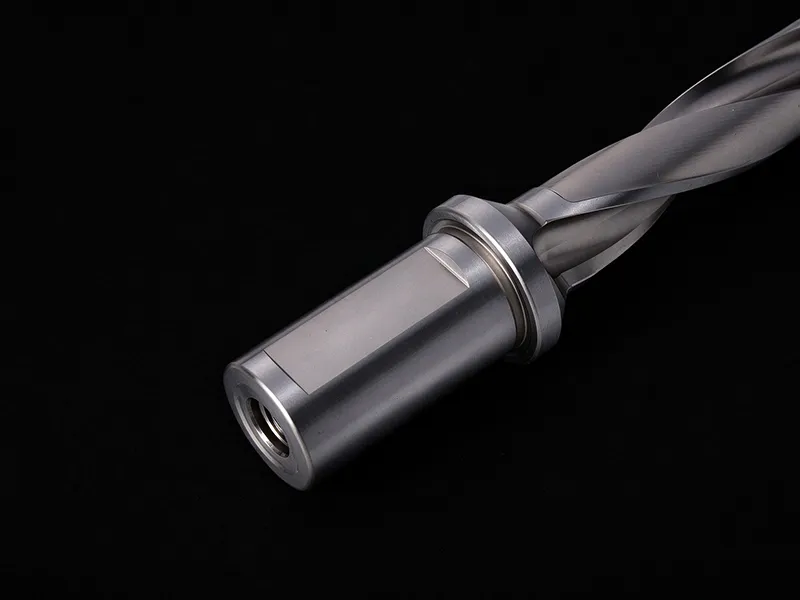
Yes. RONGKE offers a wide range of shank configurations to suit different machine types. Straight shank tools are suitable for collet chucks, hydraulic chucks, and shrink-fit holders on both lathes and machining centers. Taper shank and HSK/BT/CAT shank tools are designed for direct mounting in spindle interfaces, providing higher torque transmission and improved repeatability. For CNC lathes, the tools can be mounted in static or driven tool holders depending on whether the part rotates or the tool rotates. RONGKE application guidelines provide specific clamping recommendations to maintain runout below 0.02 mm for optimal hole quality.
Are custom sizes and special geometries available from RONGKE?
Yes. RONGKE understands that many production jobs require non-standard diameters, unusual overall lengths, or special point geometries. The RONGKE custom tool program can manufacture shallow hole drilling tools to customer specifications with tight delivery times. Customizations include step drills, subland drills, through-coolant configurations in small diameters, special corner chamfers, and tailored coating solutions. The RONGKE engineering team reviews each request and provides a detailed drawing for approval before production, ensuring that the final tool meets the exact requirements of the application. This service is particularly valuable for automotive and aerospace manufacturers who need dedicated tooling for high-volume production lines.
- View as
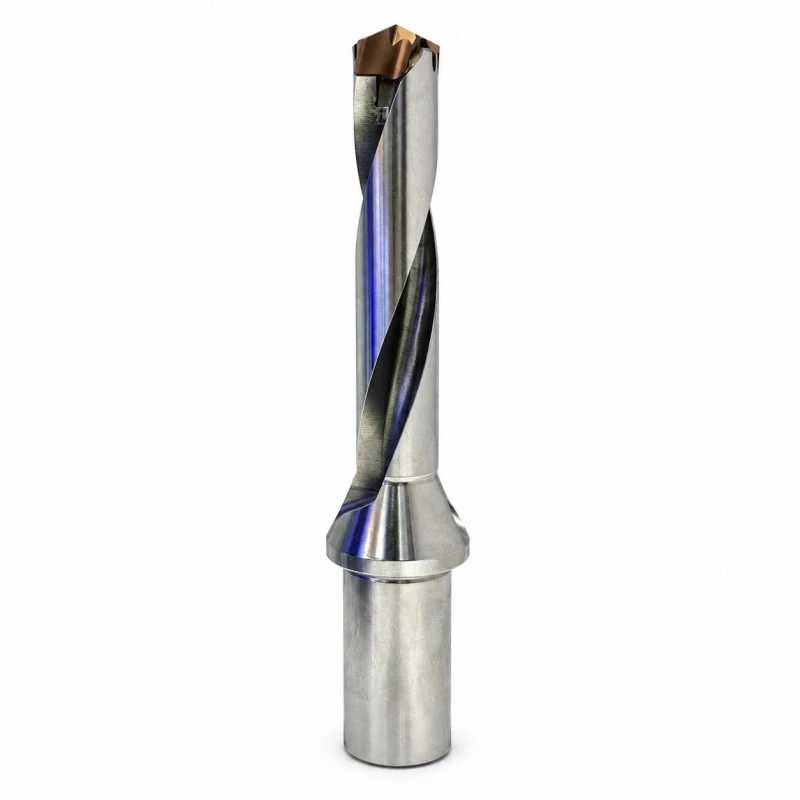
Internal Coolant Quick Change Self Locking Drill
When fluid delivery is a key selection requirement, RONGKE Internal Coolant Quick Change Self Locking Drill supports selection around the combination of TDPA tip fit and internal coolant delivery. Contact us for purchase planning. Coolant is a family feature across the listed length options. Specify body reach and confirm transfer through the machine holder when requesting the assembly.
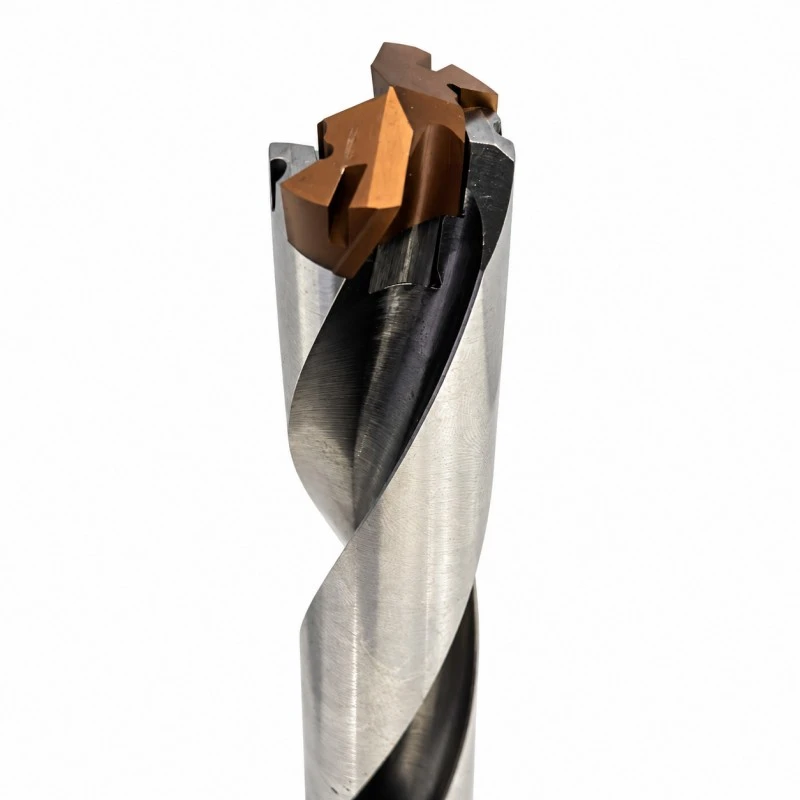
Quick Change Self Locking Drill Bits 12D
For the longest documented TD depth option, RONGKE Quick Change Self Locking Drill Bits 12D supports selection around entry guidance and chip travel over the 12D working depth. Contact us for bulk orders. The cited Ø20 mm group has 243.6 mm effective depth. Request a matched body and TDPA tip, with entry guidance, working-end alignment and coolant supply reviewed for the deep-hole setup.
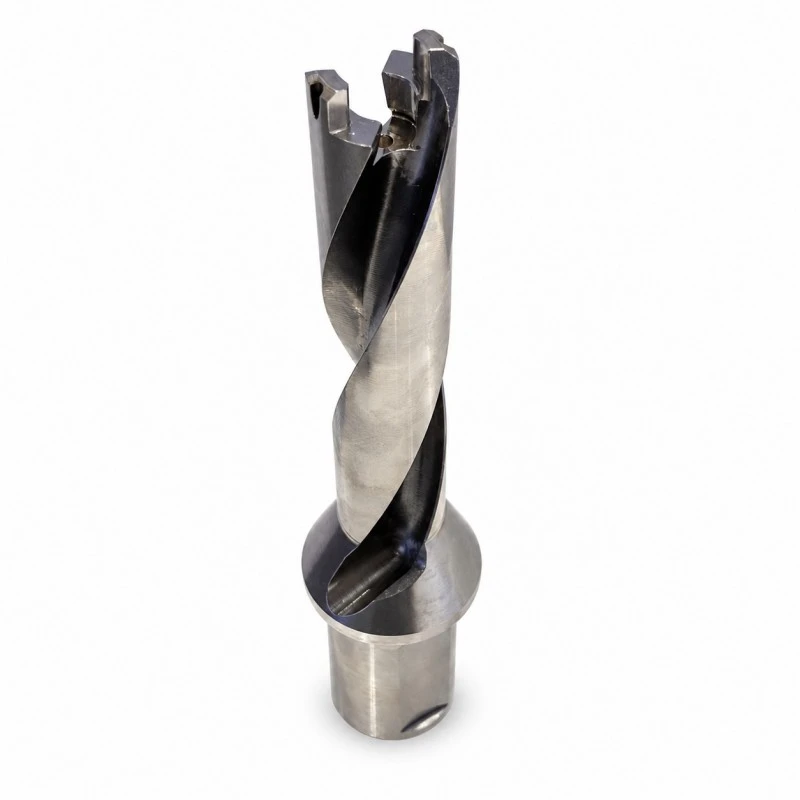
Quick Change Self Locking Drill Bits 5D 8D
When a job outgrows the shorter TD bodies, RONGKE Quick Change Self Locking Drill Bits 5D 8D supports selection around the difference in usable drilling depth between 5D and 8D. Contact us for factory pricing. At the cited Ø20 mm group, depth increases from 103 to 163 mm. Select the required reach and review entry alignment and coolant access before ordering.
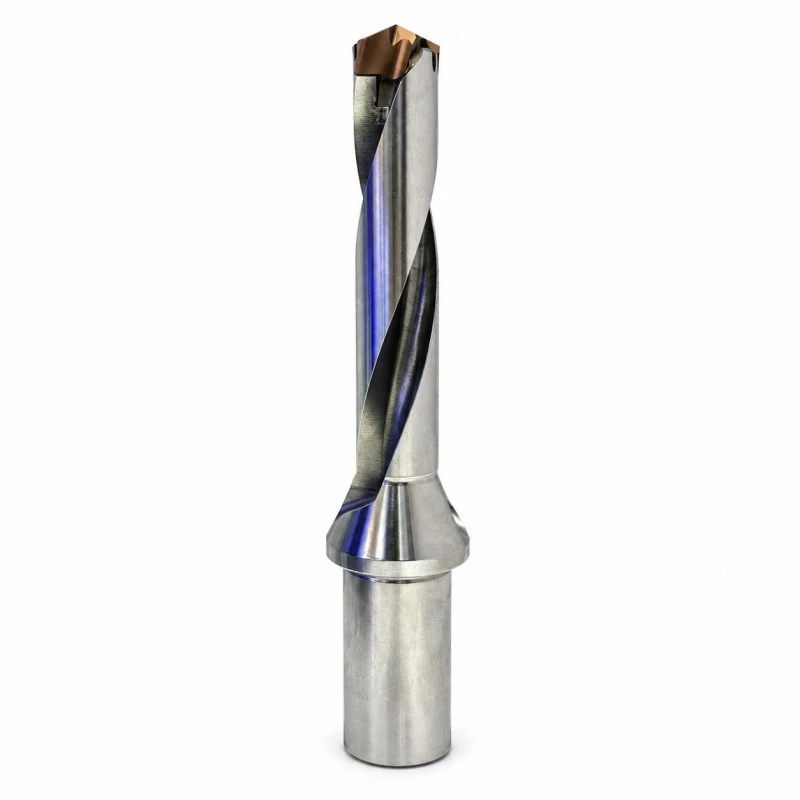
Quick Change Self Locking Drill Bits 1.5D 3D
For shorter holes and accessible tip replacement, RONGKE Quick Change Self Locking Drill Bits 1.5D 3D supports selection around front access for tip changes in a short-hole setup. Contact us for wholesale enquiries. Their matched TDPA tips are changed from the front with the specified wrench. Request the confirmed body dimensions and tip group so the selected reach suits the hole and replacement access.
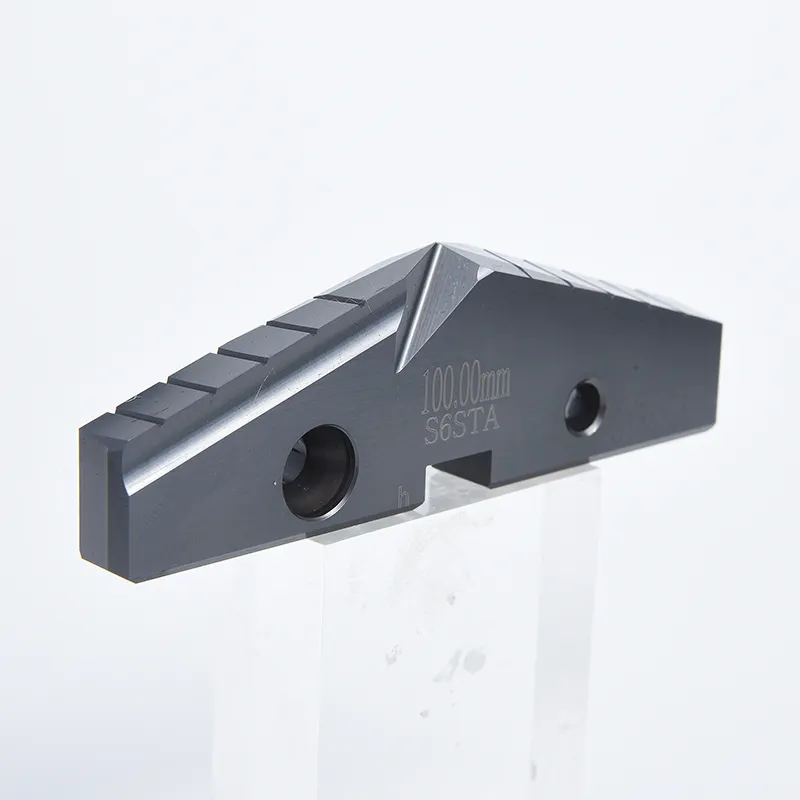
Replaceable Spade Drill Inserts
RONGKE replaceable spade drill inserts are available in cobalt high-speed steel, powder high-speed steel and carbide. Select the substrate, chipbreaker and coating to match the workpiece, machine rigidity and hole depth.
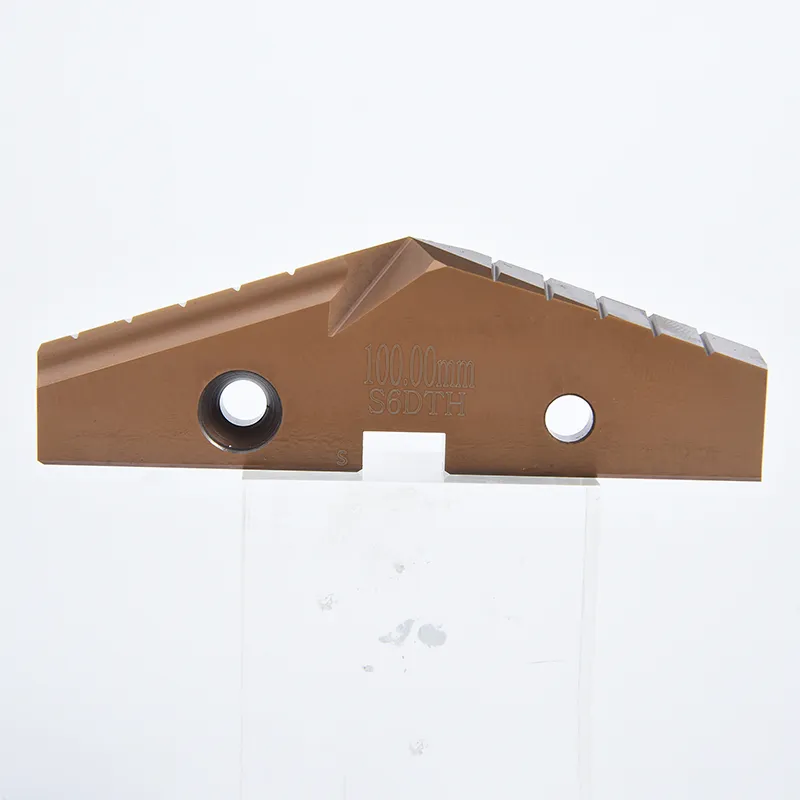
Replaceable Blade Deep Hole Spade Drill
For workshops using different shank connections, RONGKE Replaceable Blade Deep Hole Spade Drill supports selection around the blade group and the machine-side shank connection. Contact us for replacement-part orders. Side-lock and Morse-taper holders serve different machine connections, while S2, S6 and G2 blade options support material selection. Request the matched blade and holder group.
RONGKE supplies Shallow Hole Drilling Tools directly from our factory. Get in touch today for pricing and orders!
News Recommendations