Factory Direct Anti-Vibration Boring Bars for Stable Deep Hole Machining
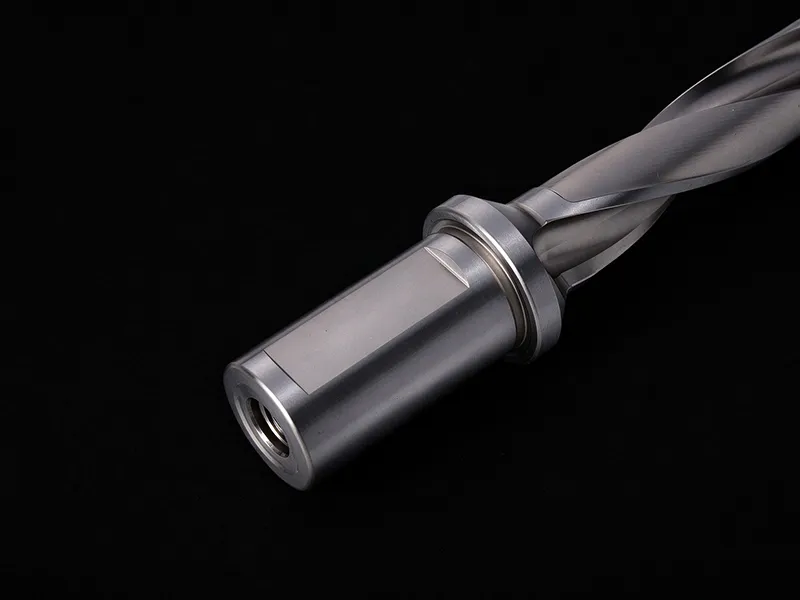
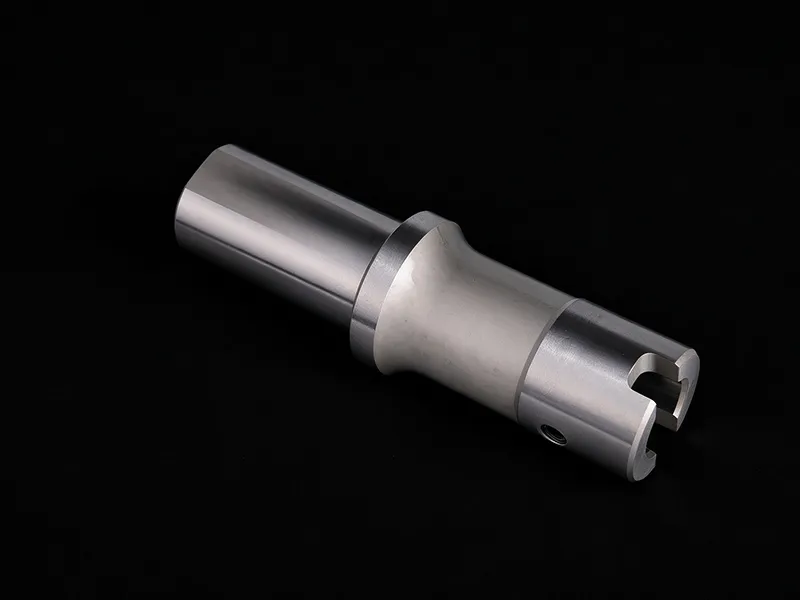
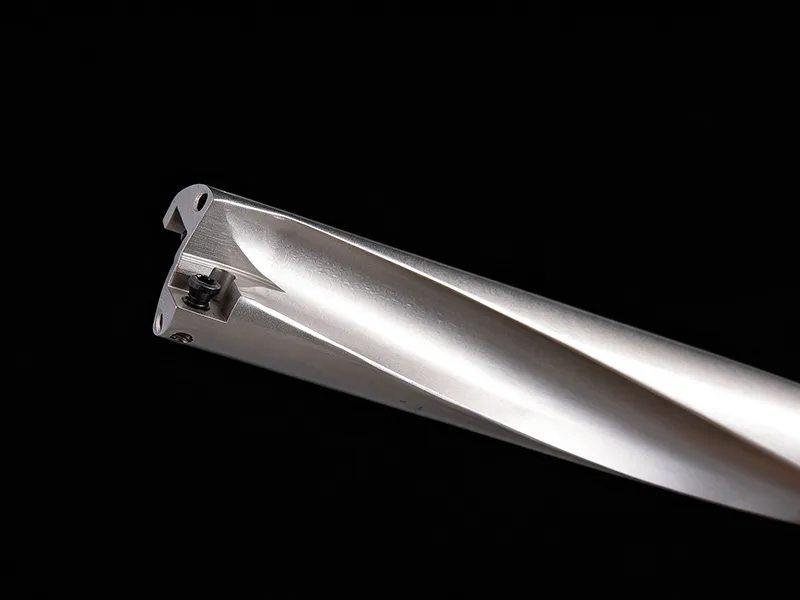
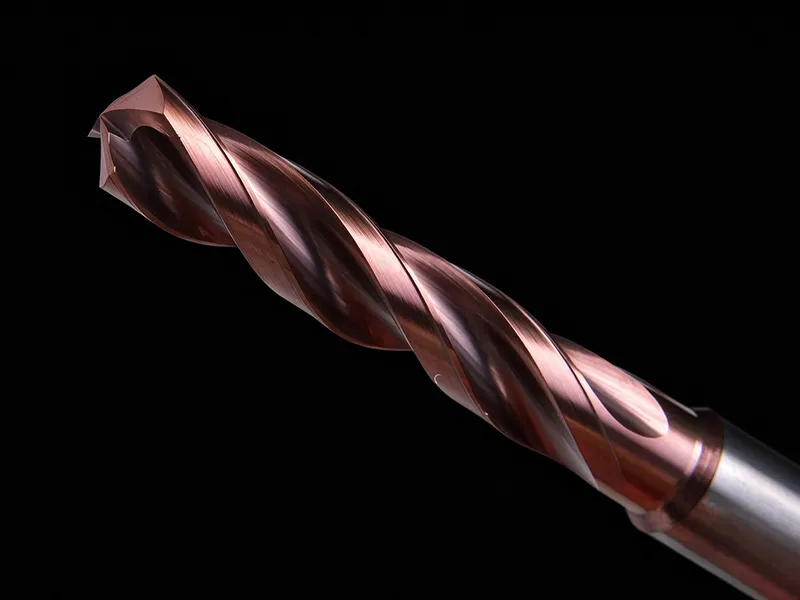
In deep-hole boring operations, chatter and vibration are the primary enemies of surface finish, dimensional accuracy, and tool life. When a boring bar overhang exceeds 4 times its diameter, conventional steel or carbide bars begin to deflect and resonate, producing poor finishes and scrapped parts. Anti-Vibration Boring Bars solve this problem by integrating a passive dynamic damping system inside the bar body. RONGKE has developed a complete range of anti-vibration boring bar engineered for CNC lathes, machining centers, and boring mills where long overhangs are unavoidable.
How RONGKE Technology Works
The RONGKE anti-vibration boring bar uses a tuned mass damper system placed inside a precision-bored cavity along the bar axis. This damper consists of a heavy tungsten alloy mass suspended by elastomeric O-rings and supported by a viscous fluid medium. When the bar begins to chatter at its natural frequency, the internal damper oscillates out of phase with the bar deflection. This phase shift absorbs the vibration energy and converts it into low-level heat, which dissipates through the bar body. The result is a dramatic reduction in dynamic displacement at the cutting edge, even at length-to-diameter ratios up to 14:1.
The damping frequency of each RONGKE anti-vibration boring bar is pre-tuned at the factory to match the expected bending mode of the bar over its working length range. The tuning is achieved by precisely adjusting the mass, stiffness of the elastomer supports, and fluid viscosity. This passive system requires no external power, sensors, or control units, making it robust and maintenance-free in harsh machining environments.
Performance Benefits in Real Machining Scenarios
RONGKE anti-vibration boring bars are designed to deliver measurable improvements in deep boring operations. Typical customer results include surface finish improvements from Ra 3.2 μm to Ra 0.8 μm at 10:1 overhang, a 3 to 5 times increase in insert tool life at 12:1 L/D ratio, and the elimination of visible chatter marks on bores deeper than 500 mm. The bars also allow higher cutting data compared to solid carbide bars of the same diameter because the damping action prevents resonance build-up rather than simply adding mass.
The following list highlights the primary performance gains documented in field testing.
- Reduction in vibration amplitude at the cutting edge by up to 85% compared with steel boring bars at identical overhangs.
- Ability to hold dimensional tolerance of IT7 in bores with L/D ratios up to 12:1 without secondary reaming.
- Extension of insert edge life by 3 to 5 times in steel, stainless steel, and superalloy applications.
- Stable chip formation and improved chip evacuation through high-pressure through-tool coolant at up to 100 bar.
- Lower machine spindle load variation due to reduced dynamic cutting forces, which protects machine bearings.
Application Areas
RONGKE anti-vibration boring bars are used across a wide range of industries where deep bore accuracy is critical. Typical applications include hydraulic cylinder bores, landing gear components, oil and gas valve bodies, mold cooling channels, spindle housings, and gearbox shafts. The bars perform well in both horizontal and vertical boring setups, including single-point boring, back boring, and contour boring with interpolated axes.
Specific materials successfully machined with RONGKE anti-vibration boring bars include carbon steel, alloy steel, stainless steel, duplex stainless, cast iron, aluminum alloys, titanium alloys, Inconel, and duplex superalloys. The selection of insert grade, chipbreaker, and cutting parameters should follow the RONGKE application guidelines provided with each bar.
Setup and Operating Recommendations
To achieve the full benefit of the RONGKE anti-vibration boring bar, proper setup is essential. The bar should be clamped with the minimum overhang necessary for the job. The clamping length in the tool holder should be at least 3 times the shank diameter to ensure rigid support. The coolant supply should be connected to the bar's through-tool coolant port and set to a pressure between 30 bar and the maximum listed value. Use of a pilot hole with correct alignment is also critical to avoid eccentric cutting forces that can excite higher-order vibration modes.
Cutting parameters should start at the lower end of the recommended range and be increased gradually while monitoring surface finish and sound level. A stable cut with an anti-vibration boring bar typically produces a constant low-frequency hum rather than high-pitched chatter. The depth of cut should not exceed the maximum specified for the insert size and the HD series if used. RONGKE provides detailed parameter charts for each bar model and workpiece material group.
FAQ
What is an anti-vibration boring bar and how does it work?
An anti-vibration boring bar is a long overhang tool designed to suppress chatter and self-excited vibration during internal turning or boring operations. It contains a passive dynamic absorber, usually a heavy tungsten alloy mass supported by elastomer rings and a damping fluid, located inside a cavity along the bar axis. When the bar bends and vibrates at its natural frequency, the internal mass moves out of phase and absorbs the vibration energy. This energy dissipates as heat inside the bar, reducing the vibration amplitude at the cutting edge and allowing stable machining at length-to-diameter ratios that would be impossible with solid steel or carbide bars.
Which materials can be machined with RONGKE anti-vibration boring bar?
RONGKE anti-vibration boring bar can machine a broad range of materials, including carbon steel, alloy steel, stainless steel, duplex stainless, cast iron, aluminum alloys, titanium alloys, and nickel-based superalloys such as Inconel. The key to success is selecting the correct insert grade, chipbreaker geometry, cutting speed, and feed rate for the workpiece material. The bar itself is material-agnostic because the damping mechanism does not depend on the workpiece. However, for high-hardness materials above 45 HRC or very gummy materials, RONGKE recommends using the AVB-HD series with a heavier damper and wiper insert to maintain stability under high cutting loads.
How do I choose the correct anti-vibration boring bar for my application?
First measure the minimum bore diameter and the total overhang required from the clamping point to the bottom of the bore. Select the largest bar diameter that provides at least 2 mm radial clearance inside the bore. Then calculate the resulting L/D ratio and compare it with the max L/D ratio listed in the RONGKE specification table. If the required ratio is below the listed value, the standard AVB series is suitable. If the ratio is close to the limit or the depth of cut is above 2 mm, choose the AVB-HD series. Also consider the insert interface, coolant pressure available on your machine, and the shank connection type. RONGKE application engineers can assist with a detailed calculation if needed.
Can RONGKE anti-vibration boring bars be customized?
Yes. RONGKE offers a full custom engineering service for anti-vibration boring bars. Customizations include non-standard diameters, extra-long lengths up to 2000 mm, special shank interfaces, custom insert pockets for proprietary inserts, and tuned damping frequencies for unusual bore depth-to-diameter ratios. The factory can also modify the coolant channel design, add radial or axial adjustment cartridges, or apply special coatings. For custom projects, RONGKE requires the workpiece drawing, machine spindle interface, and target cutting parameters. A modal analysis is performed on the first prototype bar to verify the damping frequency and dynamic stiffness before series production.
- View as
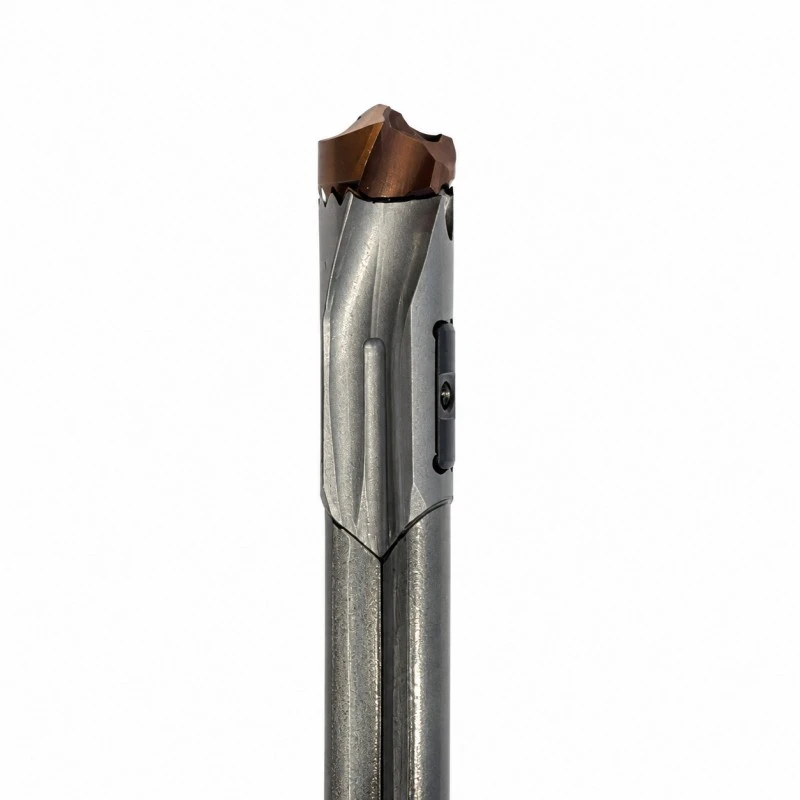
Long Overhang Anti-Vibration Saber Tooth Boring Bar
Where a recessed feature requires an extended support, RONGKE Long Overhang Anti-Vibration Saber Tooth Boring Bar supports selection around the shortest KZ support that clears the fixture. Contact us for factory pricing. M10 supports have Ø20 mm bodies; M12 supports use Ø25 mm. Request the shortest matched assembly that reaches the feature, with cutting-end alignment and fixture clearance reviewed.
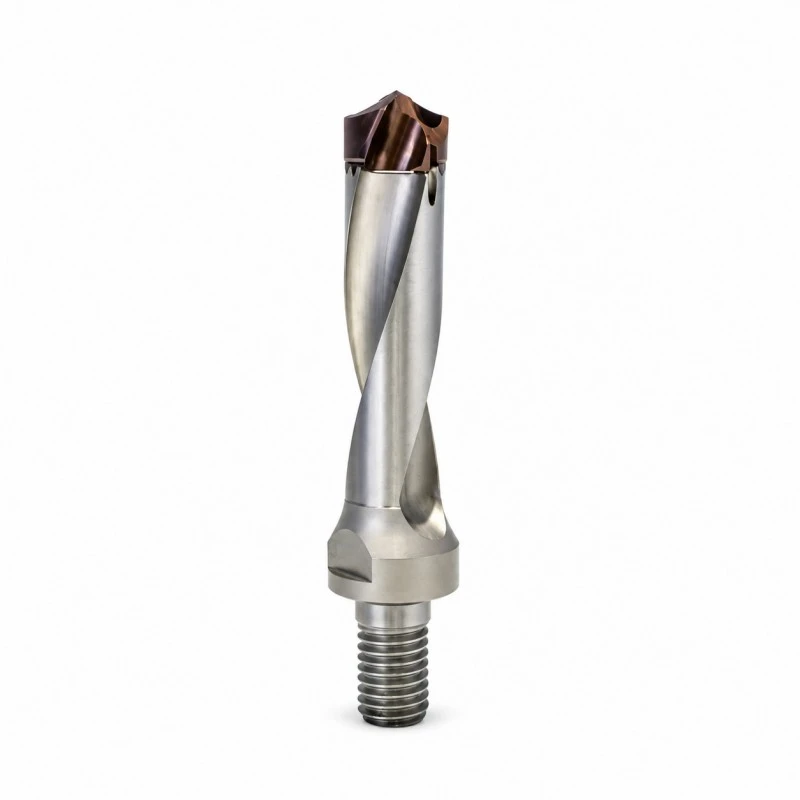
Internal Coolant Anti-Vibration Saber Tooth Boring Bar
For assemblies requiring coolant across the TF/KZ joint, RONGKE Internal Coolant Anti-Vibration Saber Tooth Boring Bar supports selection around the TF/KZ joint and its continuous coolant route. Contact us for wholesale enquiries. Select the TF cutting-diameter group and M10 or M12 support separately. Include the assembled connection details with your inquiry.
RONGKE supplies Anti-Vibration Boring Bars directly from our factory. Get in touch today for pricing and orders!
News Recommendations