Factory Direct Twist Drill Bits for All Your Drilling Needs
In metalworking, woodworking, construction, and maintenance operations, the ability to drill a clean hole with consistent diameter and predictable tool life depends heavily on the quality of the cutting tool. RONGKE manufactures twist drill bits in a broad range of diameters, lengths, substrate materials, and coatings for professionals who require repeatable performance on production lines, in machine shops, and in field service.
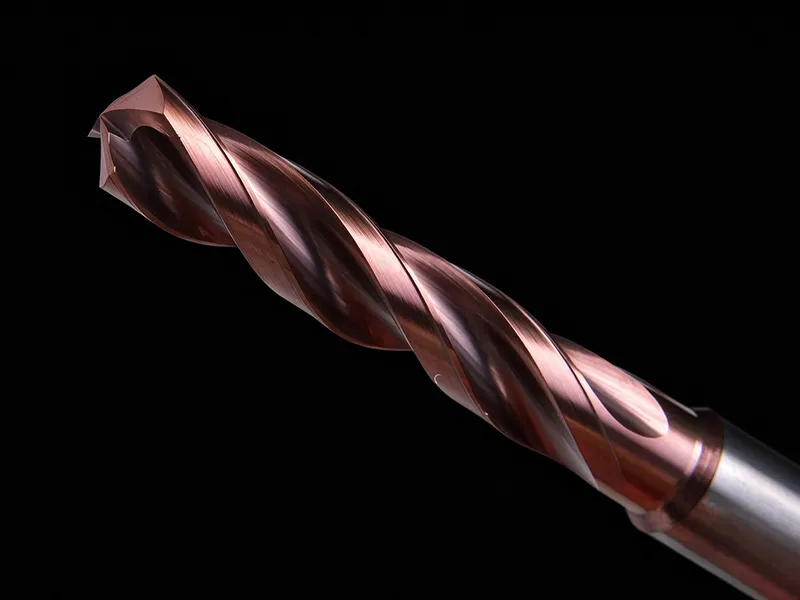
A twist drill bit is a rotary cutting tool with two helical flutes that remove chips from the hole while the cutting edges shear material at the bottom of the bore. The main geometric features include the point angle, helix angle, web thickness, margin, and shank design. These elements determine how the tool centers, cuts, extracts chips, and withstands heat. RONGKE engineers each model around a specific group of workpiece materials rather than applying a single universal geometry across all products.
RONGKE Quality Control and Manufacturing
RONGKE twist drill bits are manufactured on CNC grinding machines with automatic loading and optical inspection. Each production batch is checked for diameter tolerance, chisel edge centrality, point symmetry, surface roughness, and coating adhesion. The plant follows a documented incoming material inspection program and retains batch traceability for every shipped order. This process reduces variation in hole size and improves tool-to-tool consistency in multi-spindle and automated operations.
Frequently Asked Questions
Q: How do I choose the correct point angle for my workpiece?
A: A 118° point angle is the general-purpose standard for mild steel, aluminum, cast iron, and most common materials. A 135° split point is preferred for harder materials like stainless steel and alloy steel because it centers more aggressively, reduces walking, and lowers thrust pressure. For soft plastics use 60° to 90° to avoid cracking the work surface. For titanium and nickel alloys use 130° to 140° with a rigid setup and controlled feed. RONGKE offers these point angles as standard options across the product range.
Q: How often should I sharpen a twist drill bit?
A: Sharpen a twist drill bit as soon as the cutting edges show visible wear, the drill produces a squealing noise, or the hole diameter becomes rough and oversized. In production environments, operators often sharpen after a fixed number of holes based on tool life data. RONGKE recommends checking the cutting edges after every 20 to 50 holes in abrasive materials or immediately when thrust force increases. Use a precision drill grinder and maintain the original point angle and relief angle. A dull bit generates excessive heat, work-hardens the hole bottom, and can break in the cut.
Q: What does the coating on a twist drill bit do?
A: Coatings reduce friction, increase surface hardness, improve heat resistance, and slow abrasive wear. TiN offers good general-purpose performance. TiCN adds better wear resistance for stainless steel. AlTiN provides high hot hardness for titanium and nickel alloys. Coatings also help prevent chip adhesion, known as built-up edge, which degrades hole finish. However, coating is not a substitute for correct speeds, feeds, and rigidity. RONGKE applies coatings after the full grinding process and checks coating thickness to avoid changing the effective diameter.
Q: How do I prevent drill bit walking or wandering?
A: Wandering occurs when the chisel edge does not engage the material cleanly or when the setup lacks rigidity. Use a 135° split point or grind a split point onto the drill. Always mark the hole with a center punch or spot drill before drilling. For deep holes, use a shorter stub-length drill to create a pilot hole first. Check that the drill is sharp and that both cutting edges are equal in length and angle. RONGKE precision-ground bits have a symmetrical point and controlled web thickness, which greatly reduces walking compared to lower-cost hand-ground tools.
Q: What is the difference between 118° and 135° split point drill bits?
A: A 118° point creates a wider cutting lip and lower thrust, making it efficient in mild steel and aluminum. A 135° split point has a steeper angle and a thinned web that produces a self-centering action. The split point cuts at the center rather than extruding material outward, which reduces walking and allows higher feed pressure in harder materials. In practice, 135° split points are better for stainless steel, alloy steel, and accurate hole positioning. RONGKE offers 135° split points as standard on M42 cobalt models from 6.0 mm and above, and as an option on smaller sizes.
- View as
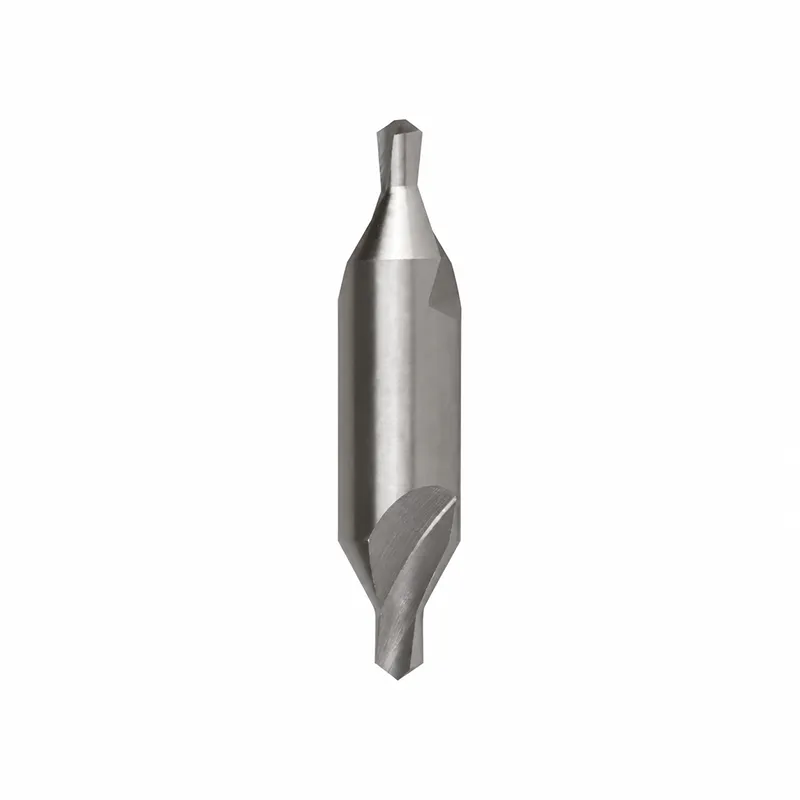
HSS 60 Degree Center Drill Bits
HSS 60 Degree Center Drill Bits from RONGKE are made for preparing center holes in shafts, pins and turned components before center-supported machining. The DIN 333 Form A reference design combines a pilot drill with a 60° centering cone, while separate pilot and body diameters allow the tool to be selected around the required center-hole configuration. RONGKE supplies standard sizes from 1.00 to 4.00 mm pilot diameter and can also evaluate non-standard cutting-tool requirements for different machining applications.
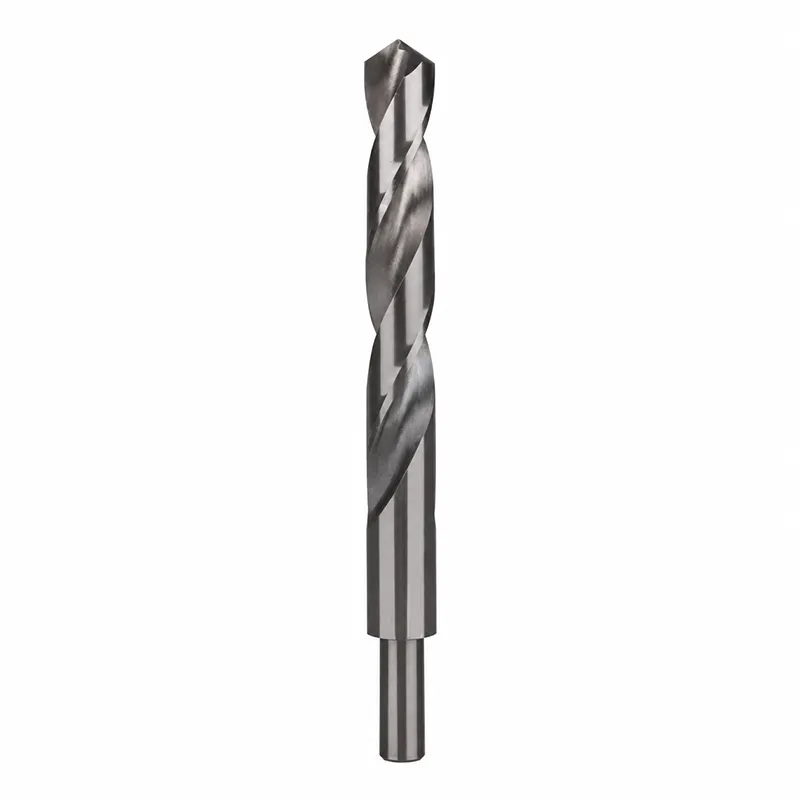
HSS Reduced Shank Twist Drill Bits
For buyers who need a larger drilling diameter without a correspondingly large chuck capacity, RONGKE HSS Reduced Shank Twist Drill Bits offer a practical tooling configuration. The drill has a cutting diameter larger than its cylindrical shank, with reference sizes from 14 mm to 20 mm, using 10 mm or 13 mm reduced shanks. Based on the DIN 338 length family, the drills feature a 118° split point and are intended for general metal drilling where the existing machine and holder can accommodate the reduced shank.
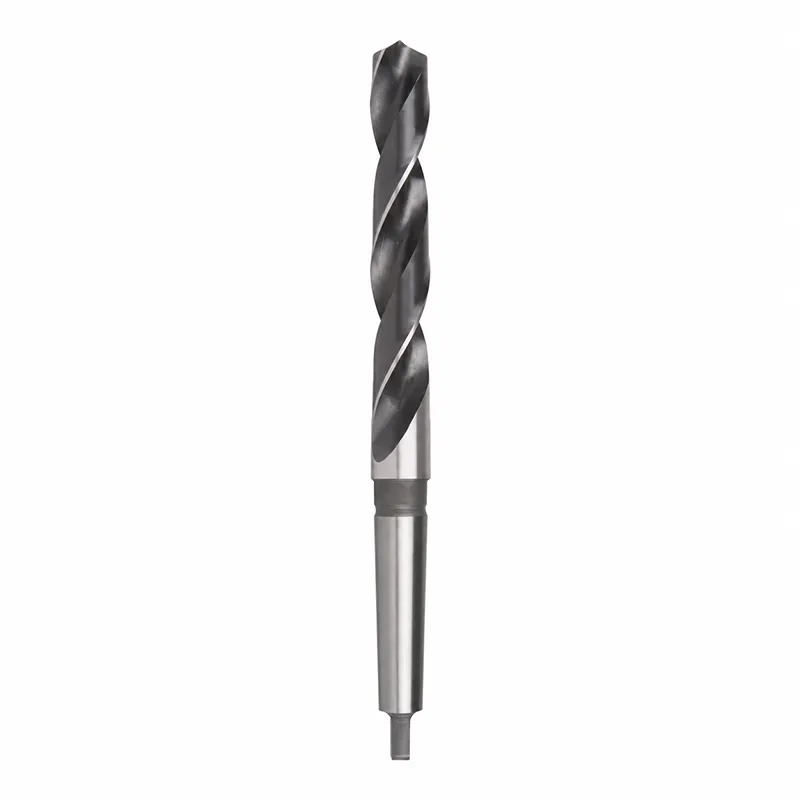
HSS Morse Taper Shank Drill Bits
HSS Morse Taper Shank Drill Bits from RONGKE are designed for machine tools equipped with a matching Morse taper socket or sleeve. Based on the DIN 345 configuration, the drills use an HSS cutting body, 118° point and Morse taper shank, with reference sizes from 14 mm to 28 mm. They are suited to larger-diameter drilling on compatible drill presses, radial drilling machines and lathe tailstocks.
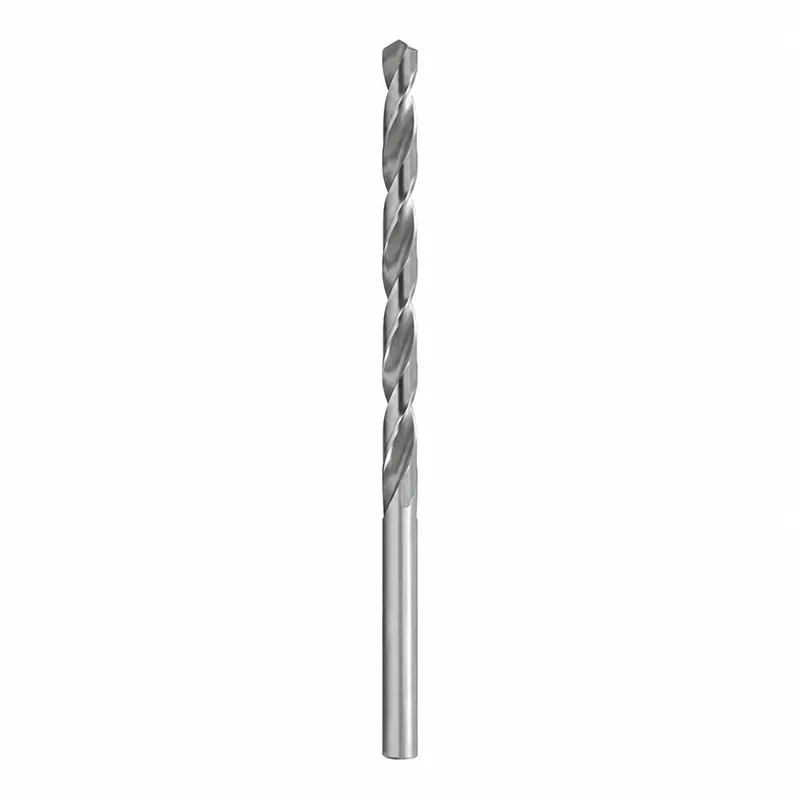
HSS Long Series Twist Drill Bits
HSS Long Series Twist Drill Bits from RONGKE are designed for drilling operations where a standard jobber-length drill cannot provide enough reach. Built to the DIN 340 long-series format, these HSS drills feature extended overall and flute lengths, a 118° point and cylindrical shank for conventional drilling setups. They are suitable for longer holes, recessed drilling positions, fixtures with limited tool access and general engineering applications. Standard sizes, bulk orders and non-standard tooling requirements can be discussed with RONGKE according to the actual machining conditions.
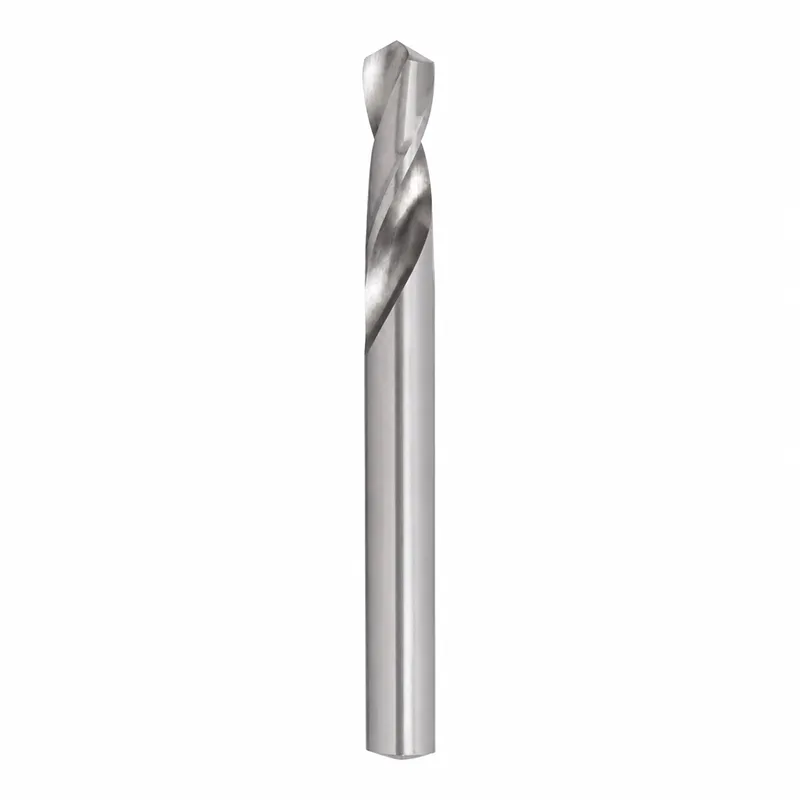
HSS Stub Length Twist Drill Bits
Need a shorter drill for shallow-hole machining? RONGKE HSS Stub Length Twist Drill Bits follow the DIN 1897 stub-length format, using an HSS body, 118° point and cylindrical shank. The compact dimensions help reduce unnecessary tool overhang where a longer jobber drill is not required, making these Twist Drill Bits suitable for general engineering parts, jigs, fixtures and workshop drilling.
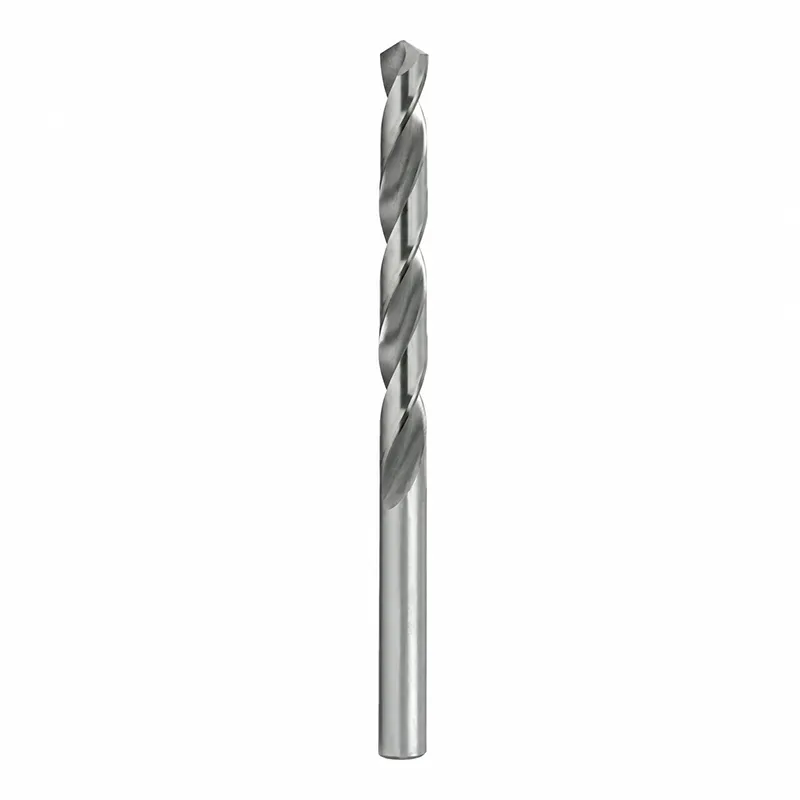
HSS Co5 Cobalt Twist Drill Bits
For buyers sourcing HSS Co5 Cobalt Twist Drill Bits for stainless steel and other applications involving elevated cutting heat, RONGKE provides cobalt-alloyed HSS twist drills with a nominal 5% cobalt content and a 135° split point. The drills are designed for general drilling of stainless steel, suitable alloy steels and engineering components, with standard sizes available and non-standard tooling requirements open for technical evaluation and quotation.
RONGKE supplies Twist Drill Bits directly from our factory. Get in touch today for pricing and orders!
News Recommendations