Reliable Deep Hole Drilling Tools Manufacturer for Precision Engineering
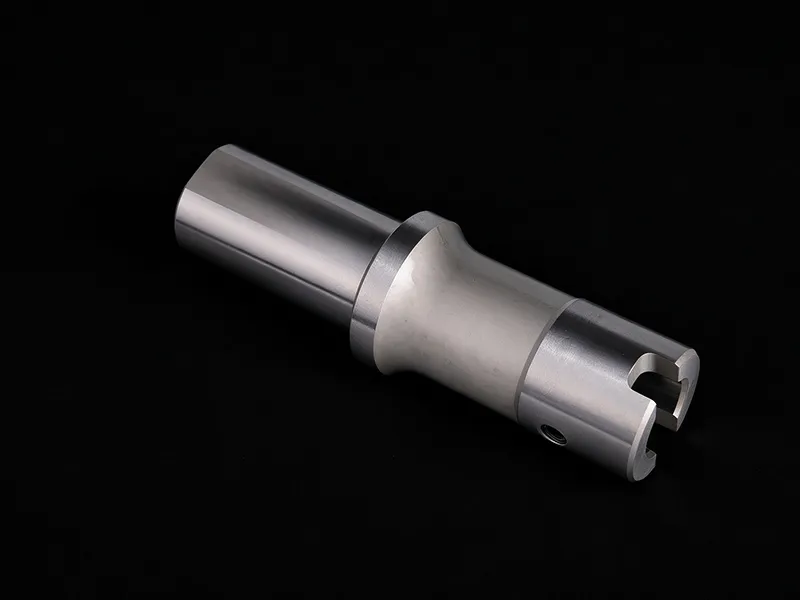
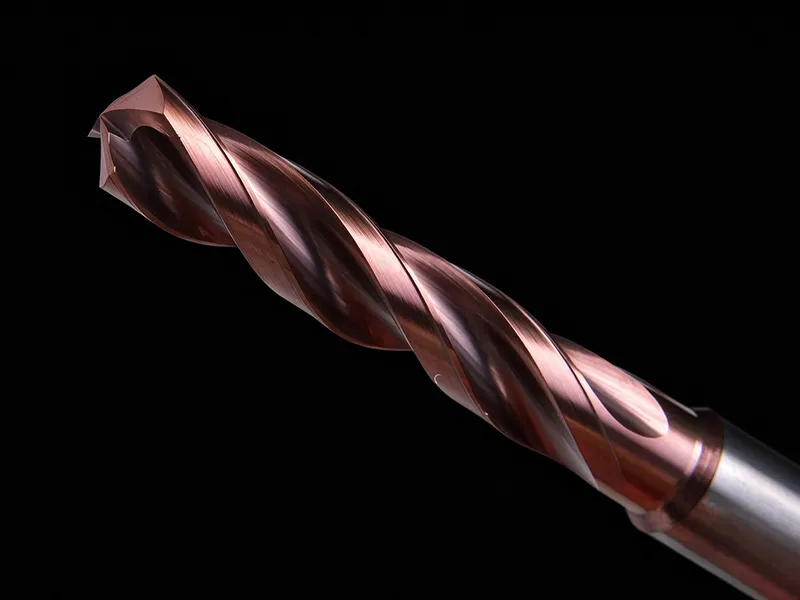
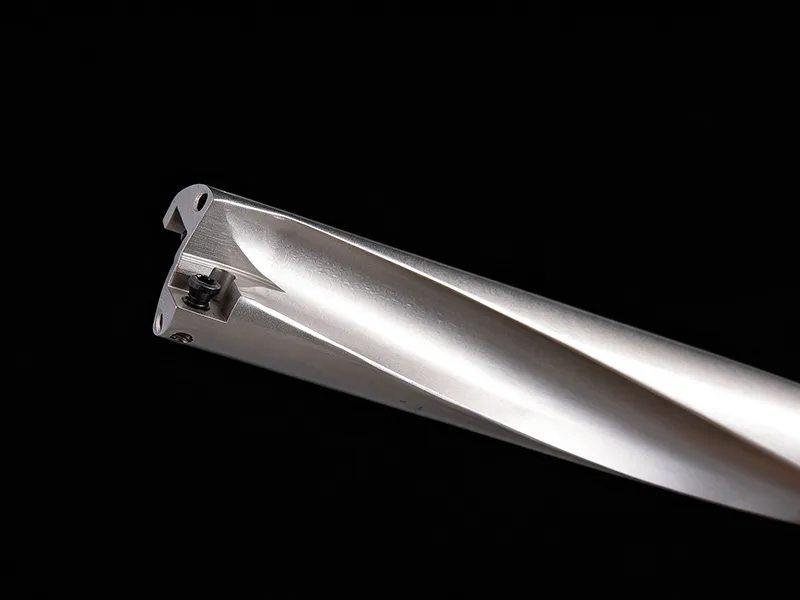
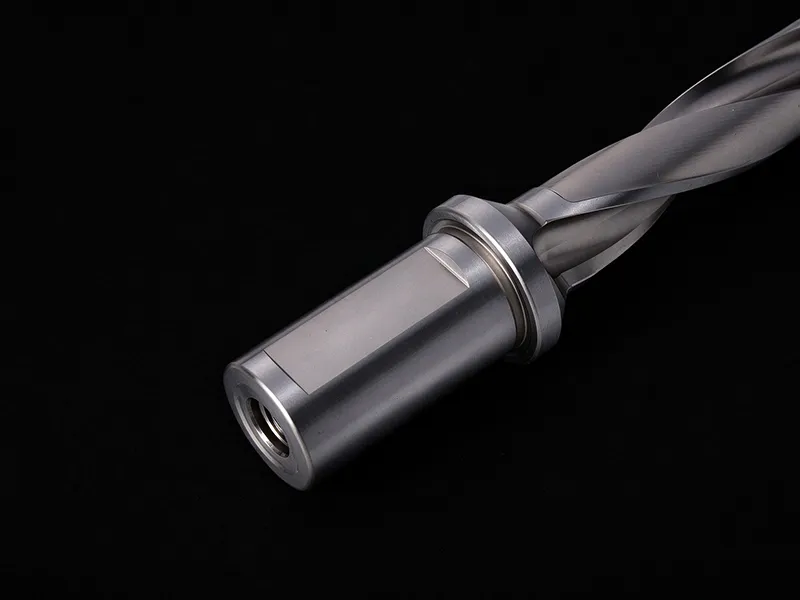
In modern manufacturing, Deep Hole Drilling Tools are essential for producing holes with high depth-to-diameter ratios, tight concentricity, and superior surface finish. Industries such as automotive, aerospace, energy, mold making, and medical device production rely on these tools for fuel injection components, crankshaft oil channels, hydraulic blocks, heat exchangers, and surgical instruments. RONGKE specializes in engineered deep hole drilling solutions that combine advanced carbide grades, optimized flute geometry, and precision grinding to meet the most demanding production requirements.
RONGKE offers a complete range of deep hole drilling tools for diameters from 0.8 mm to 200 mm, with length capabilities exceeding 4,000 mm. The tools are manufactured on CNC grinding centers and inspected with optical measuring systems to guarantee dimensional accuracy, edge preparation, and coolant hole positioning.
Why Choose RONGKE
RONGKE applies strict manufacturing controls to every deep hole drilling tool. Raw materials are sourced from certified carbide and steel suppliers. Each tool is ground on five-axis CNC machines and measured with laser and optical inspection systems. Process documentation includes material certificates, dimensional reports, and coating thickness measurements.
- Complete in-house manufacturing from carbide blank to finished tool
- Custom tool design within 5–10 working days for standard profiles
- Compatible with all major deep hole drilling machine brands including TBT, Nagel, IMSA, Mollart, and UNISIG
- Regrinding and recoating services for gun drills, BTA heads, and ejector drills
- Technical support for process optimization, pilot hole design, and coolant system setup
- Export packaging with individual protective sleeves and moisture-resistant cases
Frequently Asked Questions
Q: What is the maximum depth-to-diameter ratio RONGKE deep hole drilling tools can achieve?
A: RONGKE gun drills can achieve a depth-to-diameter ratio up to 400:1 under controlled conditions with a precision pilot hole, high-quality guide bushing, correct coolant pressure, and stable workpiece rotation. For standard production applications without a pilot hole, a ratio of 150:1 to 250:1 is more common. BTA single-tube tools typically reach 100:1, while ejector drills can reach 150:1. The actual achievable ratio depends on the workpiece material, machine alignment, coolant filtration, and operator experience. RONGKE engineers can evaluate your part drawing and machine specifications to recommend the maximum safe drilling depth for each tool type.
Q: How do I select the right deep hole drilling tool for a specific part?
A: Start by defining the hole diameter, total depth, required tolerance, surface finish, and workpiece material. For diameters from 0.8 mm to 40 mm, a gun drill is usually the best choice because it offers excellent straightness and fine surface finish. For diameters above 40 mm, BTA single-tube or ejector systems provide higher material removal rates. Consider the machine configuration: if the workpiece rotates and the tool is stationary, a gun drill or BTA drill works well. If both rotate, an ejector drill may be preferable. Also evaluate coolant system capacity, because deep hole drilling tools require high-pressure and high-volume coolant supply. RONGKE provides a free tool selection service that includes cutting data recommendations and cost-per-hole analysis.
Q: How can I prevent hole deviation and improve straightness in deep hole drilling?
A: Hole deviation is influenced by tool geometry, guide bushing alignment, workpiece material homogeneity, and cutting parameters. RONGKE recommends using a precision ground guide bushing with clearance of 0.005–0.015 mm over the tool diameter. The bushing should be aligned concentrically with the machine spindle within 0.005 mm. A pilot hole with a depth of 1–2 times the diameter is essential for starting gun drills without a bushing. Reduce feed rate during the first 10 mm of drilling, then gradually increase to the target value. Check drill tip geometry regularly, because uneven wear on the outer cutting edge causes the tool to wander. For deep holes over 100:1, RONGKE offers tools with asymmetric tip geometry and optimized guide pad placement to counteract gravitational and centrifugal forces.
Q: What maintenance and regrinding services does RONGKE provide?
A: RONGKE operates a dedicated regrinding center for deep hole drilling tools. Gun drills can be reground multiple times depending on wear condition. The regrinding process includes tip face grinding, clearance angle restoration, coolant hole inspection, and recoating if requested. BTA inserts are replaceable, but the drill head and guide pads can also be reconditioned. RONGKE recommends inspecting tools after every 30–50 meters of drilling in steel, or more frequently in abrasive materials. Detailed wear analysis and tool life reporting are included with every regrinding order. This service reduces tool cost per hole and extends the total service life of the tool body and shank.
Q: Can RONGKE deep hole drilling t
Q: What delivery times can be expected for RONGKE deep hole drilling tools?
A: Standard sizes of gun drills from 1 mm to 20 mm and BTA drills from 20 mm to 60 mm are usually in stock and can be shipped within 3–5 working days. Custom diameters, special lengths, non-standard shanks, or specific coatings typically require 10–20 working days depending on complexity. Large trepanning heads and pull boring reamers over 100 mm may take 4–6 weeks. RONGKE maintains a safety stock of semi-finished tool blanks to reduce lead times for urgent orders. Express manufacturing and air freight options are available for critical production requirements.
- View as
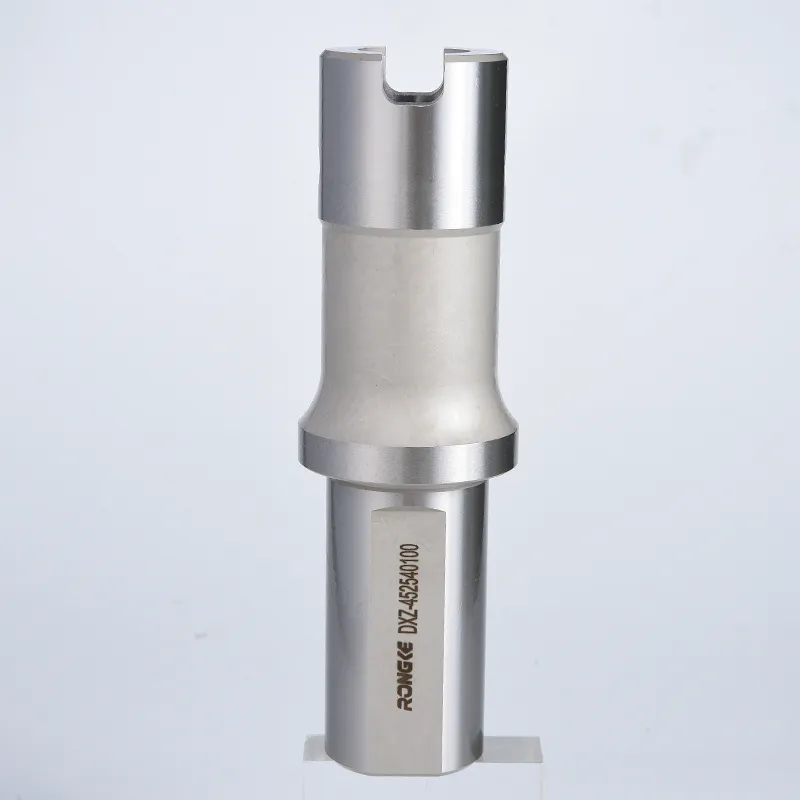
Modular Deep Hole Drill Extension
When an MDD assembly needs additional reach, RONGKE Modular Deep Hole Drill Extension supports selection around the locating diameters at both ends of the YXZ extension. Contact us for supplier quotations. They are distinct from DXZ machine-side connecting shanks. Order by both locating diameters and the applicable MDD head group, not length alone.
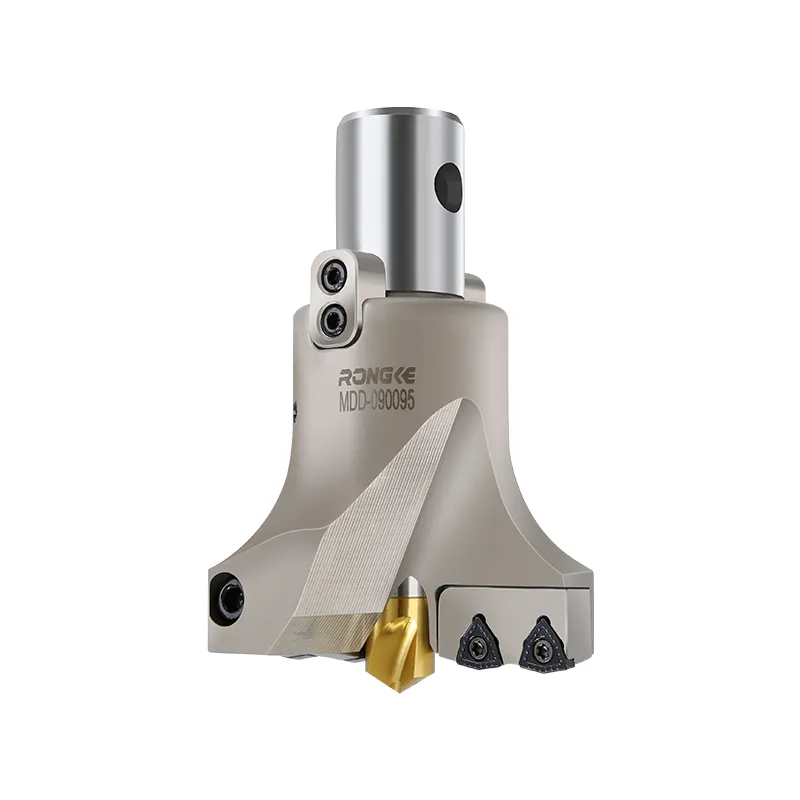
MDD Modular Deep Hole Drill Bits
For large-hole work with diameter adjustment, RONGKE MDD Modular Deep Hole Drill Bits supports selection around the adjustment interval of the selected modular head. Contact us for spare-tip quotations. The catalog states 0–5 mm diameter adjustment within the selected head group. Request the diameter interval, pilot and modular reach components together.
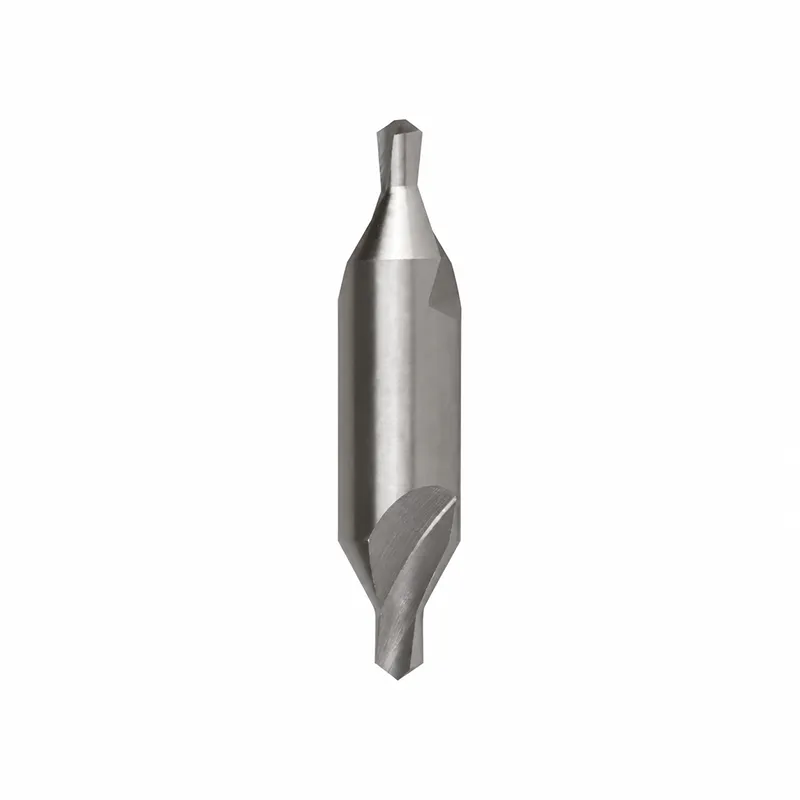
HSS 60 Degree Center Drill Bits
HSS 60 Degree Center Drill Bits from RONGKE are made for preparing center holes in shafts, pins and turned components before center-supported machining. The DIN 333 Form A reference design combines a pilot drill with a 60° centering cone, while separate pilot and body diameters allow the tool to be selected around the required center-hole configuration. RONGKE supplies standard sizes from 1.00 to 4.00 mm pilot diameter and can also evaluate non-standard cutting-tool requirements for different machining applications.
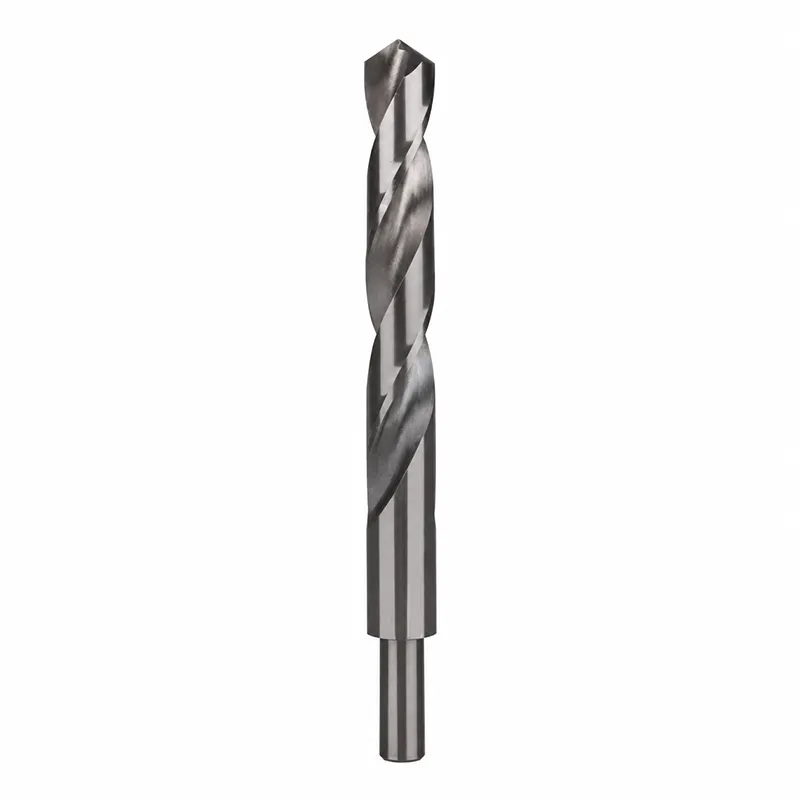
HSS Reduced Shank Twist Drill Bits
For buyers who need a larger drilling diameter without a correspondingly large chuck capacity, RONGKE HSS Reduced Shank Twist Drill Bits offer a practical tooling configuration. The drill has a cutting diameter larger than its cylindrical shank, with reference sizes from 14 mm to 20 mm, using 10 mm or 13 mm reduced shanks. Based on the DIN 338 length family, the drills feature a 118° split point and are intended for general metal drilling where the existing machine and holder can accommodate the reduced shank.
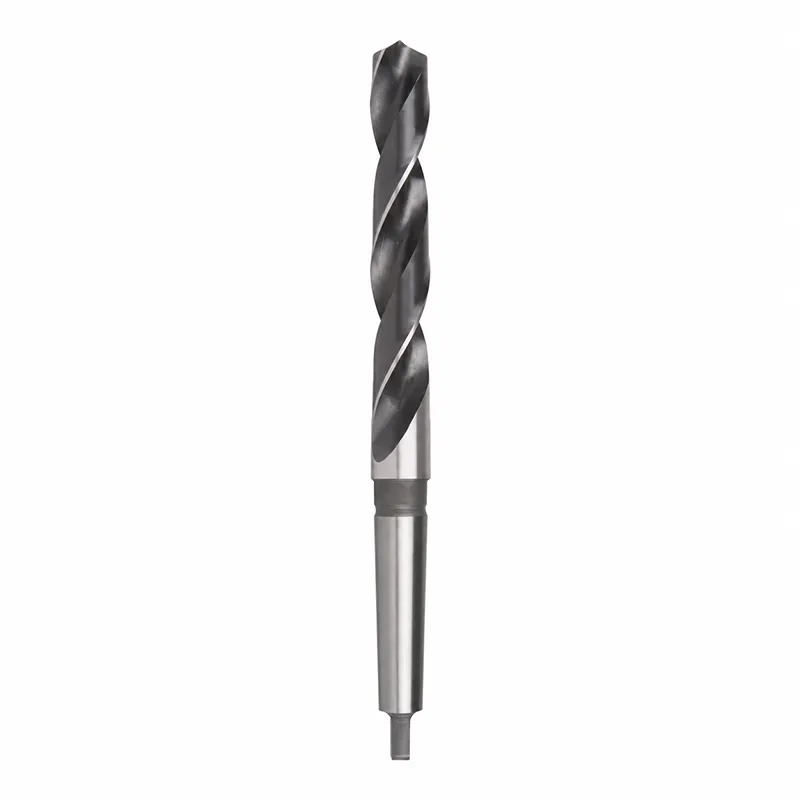
HSS Morse Taper Shank Drill Bits
HSS Morse Taper Shank Drill Bits from RONGKE are designed for machine tools equipped with a matching Morse taper socket or sleeve. Based on the DIN 345 configuration, the drills use an HSS cutting body, 118° point and Morse taper shank, with reference sizes from 14 mm to 28 mm. They are suited to larger-diameter drilling on compatible drill presses, radial drilling machines and lathe tailstocks.
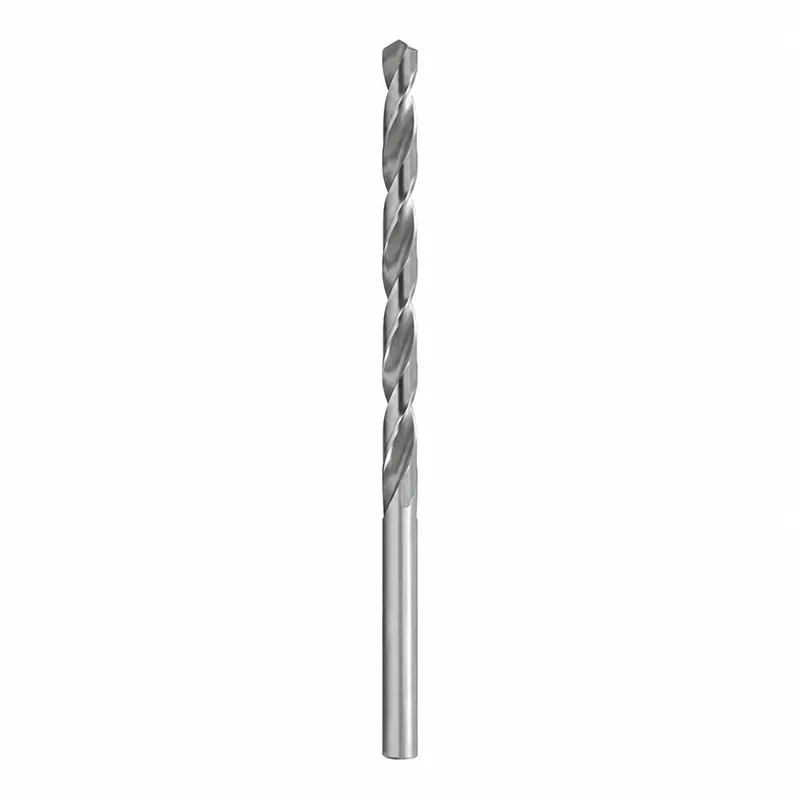
HSS Long Series Twist Drill Bits
HSS Long Series Twist Drill Bits from RONGKE are designed for drilling operations where a standard jobber-length drill cannot provide enough reach. Built to the DIN 340 long-series format, these HSS drills feature extended overall and flute lengths, a 118° point and cylindrical shank for conventional drilling setups. They are suitable for longer holes, recessed drilling positions, fixtures with limited tool access and general engineering applications. Standard sizes, bulk orders and non-standard tooling requirements can be discussed with RONGKE according to the actual machining conditions.
RONGKE supplies Deep Hole Drilling Tools directly from our factory. Get in touch today for pricing and orders!
News Recommendations