Leading Modular Large Diameter Indexable Drills Manufacturer for Heavy Duty Machining
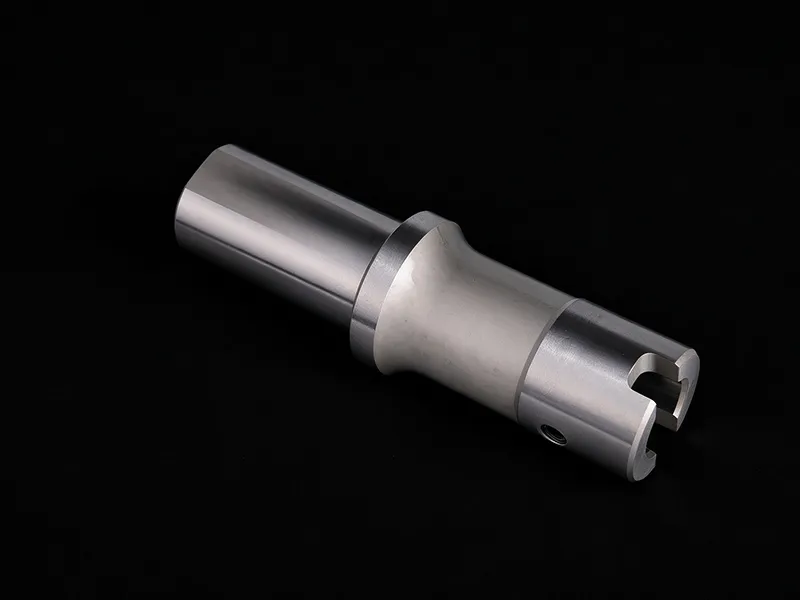
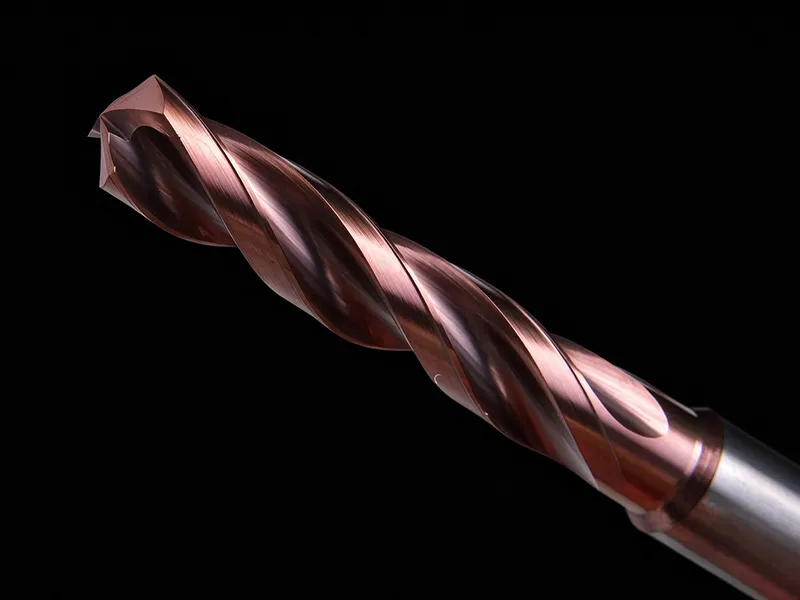
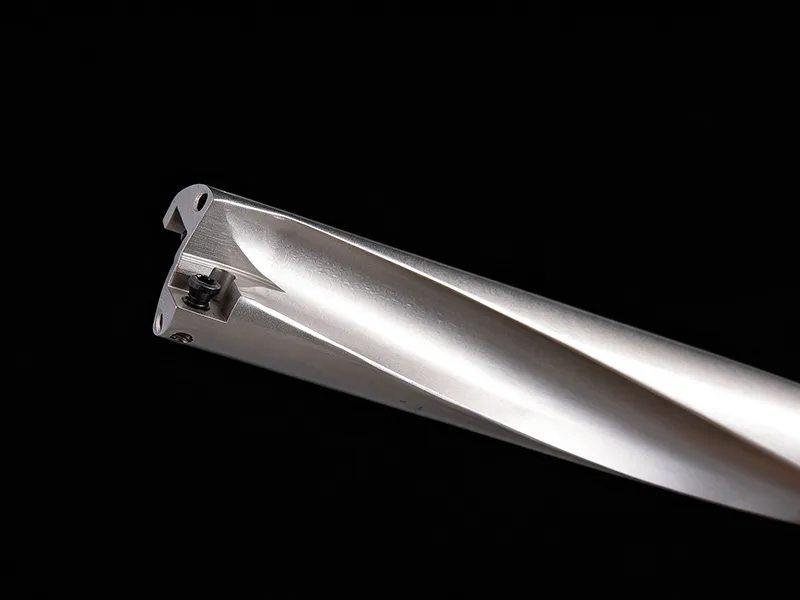
A modular large diameter indexable drill is a high-performance holemaking tool that combines a replaceable cutting head with a modular steel body. The drill body has precision-ground pockets for indexable inserts, and the rear connection allows the same body to be used across different machine adapters, extensions, or reducers. This design is especially valuable when hole diameters exceed 40 mm, where solid carbide drills become too expensive and spade drills often lack rigidity or speed. The modular concept reduces inventory cost, shortens setup time, and makes it possible to drill large holes with excellent positional accuracy and surface finish. RONGKE has developed this type of tool for heavy-duty applications in construction machinery, energy, shipbuilding, automotive, and general machining.
Unlike traditional brazed or solid tools, modular large diameter indexable drills use replaceable carbide inserts with multiple cutting edges. When an insert wears out, the operator simply indexes or replaces it without removing the drill body from the machine. This keeps tool cost per hole predictable and reduces downtime. The modular connection also allows the same cutting head to be paired with different shank lengths or taper styles. RONGKE offers a full series of modular bodies with through-tool coolant channels, hardened wear surfaces, and balanced bodies for stable high-speed operation.
Why RONGKE Drills Are Different
RONGKE builds its modular large diameter indexable drill around three main principles: rigidity, repeatability, and insert economy. The body is produced from high-grade alloy steel, heat-treated and precision ground. Every insert pocket is machined to tight tolerances so that indexable inserts seat correctly and provide repeatable cutting edge positions. The result is a drill that can hold diameter tolerance within IT9-IT10 after finish boring, and often within 0.15 mm on direct drilling in stable conditions. RONGKE uses a proprietary clamping system that resists insert movement even under high feed forces and interrupted cuts.
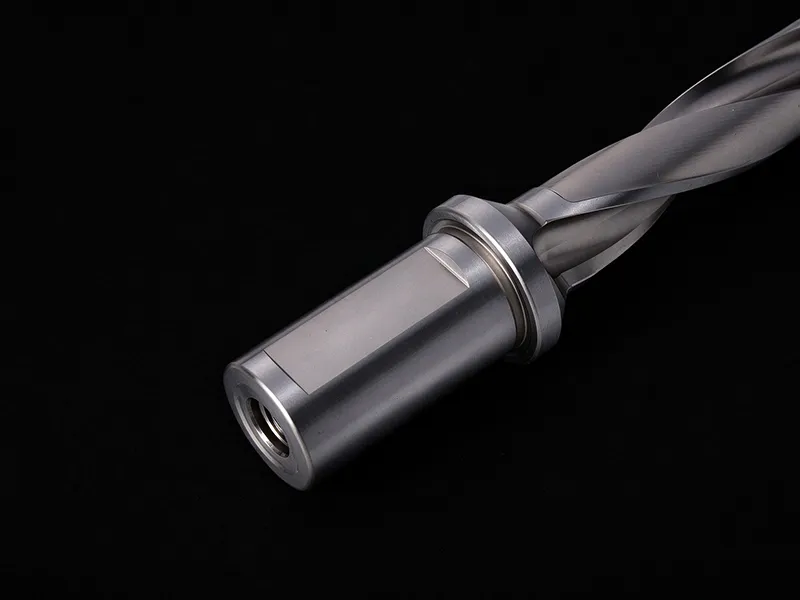
Another major difference is the modular connection interface. RONGKE drill bodies feature a short taper and face contact system that ensures axial repeatability within 0.02 mm. This is critical when the drill is used on machining centers with automatic tool changers. The connection is designed for high torque transmission and resists fretting or loosening. RONGKE also offers through-tool coolant delivery with two or three outlets per insert, which improves chip evacuation and lowers cutting temperature at the insert edge.
In addition, RONGKE provides matched insert grades for steel, stainless steel, cast iron, and high-temperature alloys. The insert geometries are optimized for large diameter drilling, with positive rakes for low cutting forces and strong edge preparation for tough materials. This makes RONGKE modular drills a flexible choice for job shops and production lines that need to drill various materials with one tool body.
Surface Finish, Tolerances, and Positioning Accuracy
Direct drilling with a modular large diameter indexable drill is usually a roughing operation. However, RONGKE designs its inserts and bodies to hold tight tolerances for a roughing tool. Typical diameter deviation is within ±0.10 mm. With stable setup and correct feed, the drill can achieve positioning accuracy within 0.05 mm from the programmed center. This is sufficient for many applications where the drilled hole is later reamed or bored to finish size.
If the hole needs better tolerance or surface finish, RONGKE recommends drilling undersize by 0.5–1.0 mm and then finish boring. For some non-critical hydraulic passages, the drilled hole can be used directly if the tolerance is H12 or wider. The indexable inserts leave a slight witness mark between the cutting edges, but this does not usually affect function. RONGKE can provide wiper inserts or special edge preparation for improved surface finish when direct drilling is required.
Frequently Asked Questions
Q: What diameter range can a RONGKE modular large diameter indexable drills cover?
A: The standard range covers 40 mm to 120 mm. RONGKE also manufactures custom diameters outside this range, but the modular body and insert pocket design must be engineered for the specific size. For diameters below 40 mm, RONGKE recommends solid carbide or smaller indexable drills because the insert size and clamping become less efficient. For diameters above 120 mm, a custom modular drill or boring head is usually more economical.
Q: Can modular large diameter indexable drills be used on a lathe?
A: Yes, RONGKE modular drills can be used on lathes with driven tooling or on dedicated drilling machines. On a lathe, the drill is normally held stationary in the tailstock or turret while the workpiece rotates. The modular shank can be adapted to a Morse taper or cylindrical holder. The critical factor is that the workpiece rotation must be concentric with the drill axis. RONGKE recommends checking alignment to within 0.02 mm for stable drilling.
Q: What coolant pressure is required for deep hole drilling?
A: For holes up to 3D, a coolant pressure of 10–20 bar is often sufficient. For 5D drilling, RONGKE recommends 30–70 bar depending on diameter and material. Higher pressure improves chip flushing and keeps the cutting zone cool. If the machine cannot provide high through-tool coolant, use an external high-flow coolant ring and reduce feed by 20–30% to prevent chip packing.
Q: How do I choose the right insert grade for my material?
A: RONGKE offers three main insert families. For carbon steel and cast iron, use a CVD-coated grade with good wear resistance. For stainless steel and high-temperature alloys, use a PVD-coated grade with sharp edges and thermal resistance. For aluminum and other non-ferrous metals, use an uncoated polished grade with high positive rake. The RONGKE catalog provides a material application chart, and the technical team can advise on the best grade for specific workpiece conditions.
Q: How often should I replace the indexable inserts?
A: Replace or index inserts when flank wear reaches 0.3 mm, when the cutting edge shows chipping, or when spindle load increases noticeably. Do not wait for complete insert failure, because that can damage the insert pocket and modular shank. In stable production, operators can log the number of holes per insert corner and change inserts on a preventive schedule. RONGKE inserts are designed with multiple cutting edges, so rotating them extends the total tool life before new inserts are needed.
Q: What is the advantage of a modular design over a solid indexable drill?
A: A modular design reduces cost and increases flexibility. The same drill body can be used with different shank adapters, extensions, and reducers. If the shank is damaged, only the adapter is replaced, not the whole tool. For large diameters, modular bodies are lighter and easier to handle than solid bodies. RONGKE modular connections also provide better runout accuracy than many one-piece tools because each component is precision ground and quality checked separately.
Q: Does RONGKE provide custom lengths or special diameters?
A: Yes, RONGKE accepts custom orders for special diameters, non-standard L/D ratios, custom shank interfaces, and special surface treatments. The engineering team reviews the application and can design a modular drill body that fits the existing machine and workpiece. Custom orders typically require a drawing or sample part for approval. Lead time depends on the complexity, but RONGKE works to deliver within a reasonable schedule.
RONGKE Quality Assurance and Technical Support
Every RONGKE modular large diameter indexable drill body is inspected before shipment. The inspection includes dimensional checks of the insert pockets, runout measurement from the modular connection, hardness testing, and visual inspection for surface defects. RONGKE also tests sample drills in customer-specific materials when required. This quality process ensures that each tool delivers consistent performance and long service life.
RONGKE provides application support from initial tool selection through production ramp-up. The technical team can recommend cutting parameters, insert grades, coolant strategies, and setup methods. RONGKE also offers training for operators and maintenance personnel. This support reduces trial time and helps customers achieve stable holemaking processes. Whether you need standard modular large diameter indexable drills or a custom solution, RONGKE has the experience and manufacturing capability to support your drilling requirements.
- View as
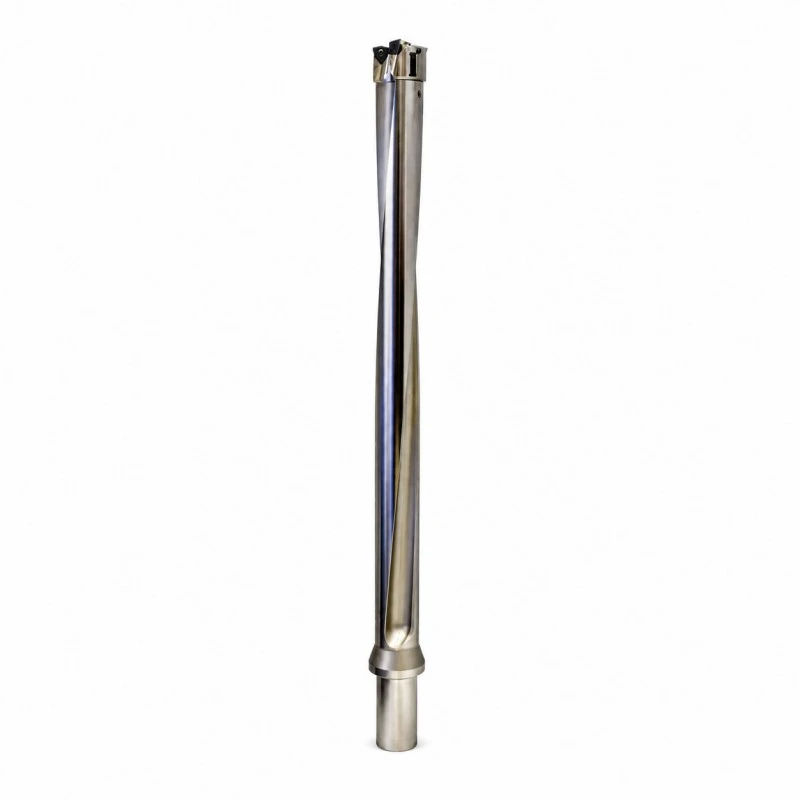
Guide Pads for Modular Large Diameter Phoenix Drill
For replacement of a worn support component, RONGKE Guide Pads for Modular Large Diameter Phoenix Drill supports selection around the support radius and fastener of the GP pad. Contact us for purchase planning. They guide against the hole wall and are distinct from cutting inserts and PT/PD margins. Request the complete pad code, support radius, thickness and matching fastener.
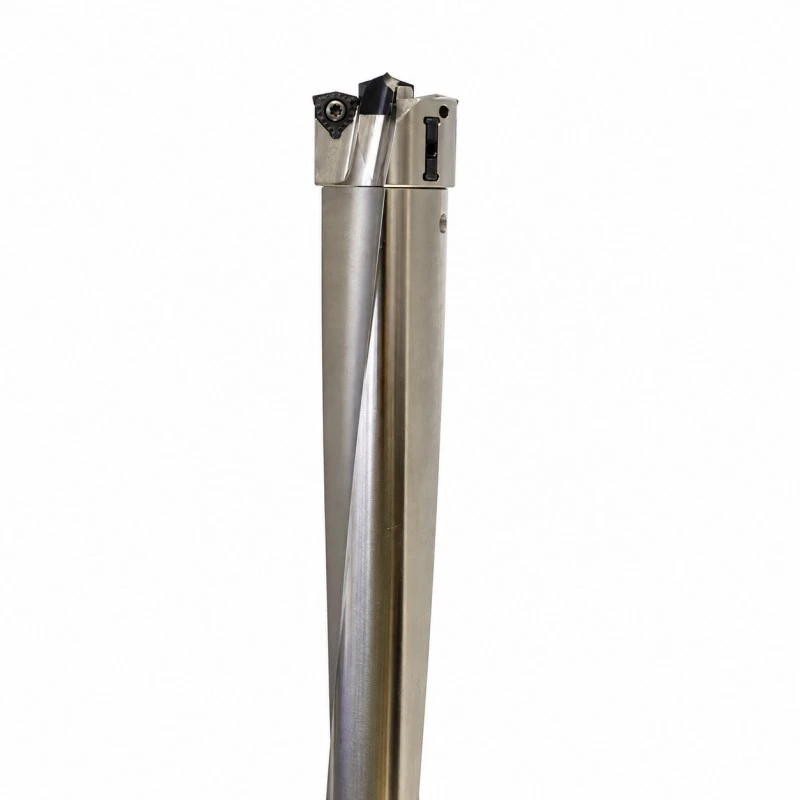
W-Type Modular Large Diameter Phoenix Drill
For combined heads built around WOMT pockets, RONGKE W-Type Modular Large Diameter Phoenix Drill supports selection around the WOMT size and edge style of the W head. Contact us for bulk orders. The cited Ø32 mm head pairs a Ø15 mm center tip with LJ32. Specify the W head, listed reach and straight or wavy outer-insert geometry when requesting a quotation.
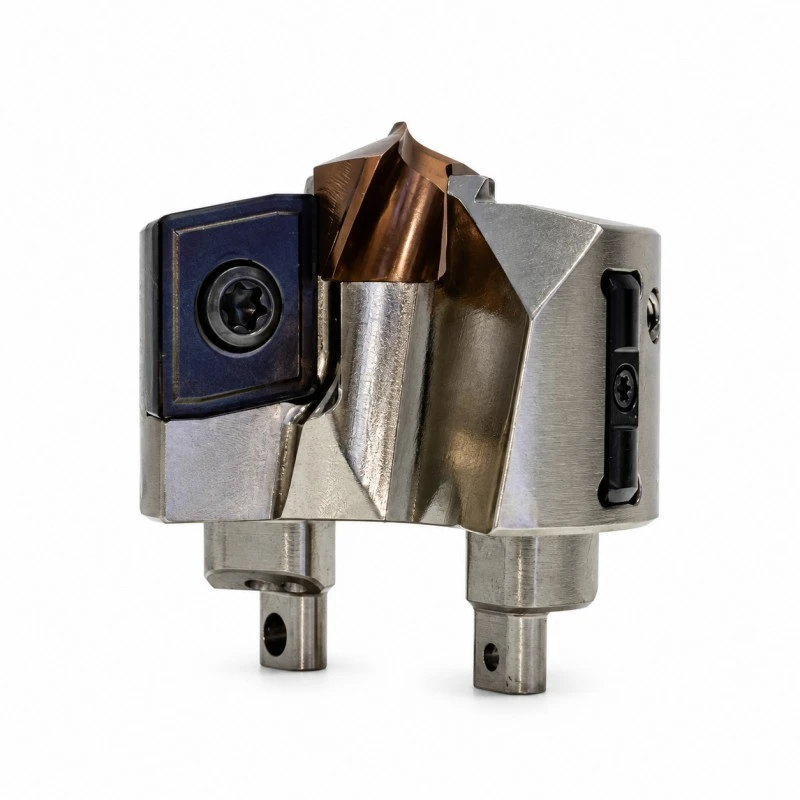
Z-Type Modular Large Diameter Phoenix Drill
When the selected combined head uses ZPMT inserts, RONGKE Z-Type Modular Large Diameter Phoenix Drill supports selection around the ZPMT pocket arrangement of the chosen Z head. Contact us for factory pricing. The cited Ø52 mm head uses a Ø25 mm center tip and LJ50 connection. Order the Z head, cutting components and body as a matched combination.
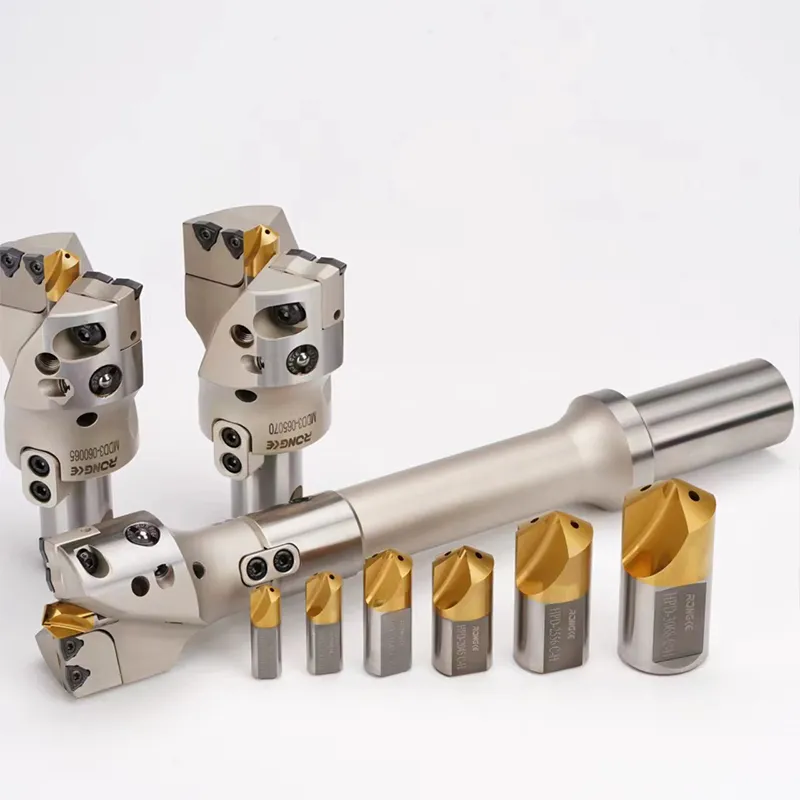
Modular Large Diameter Phoenix Combined Drill
For a matched center-and-periphery drilling assembly, RONGKE Modular Large Diameter Phoenix Combined Drill supports selection around the center tip and peripheral insert combination. Contact us for wholesale enquiries. Choose W/WOMT or Z/ZPMT from the matched head and body tables. Request the full assembly reference so center diameter, outer pockets and connection are selected together.
RONGKE supplies Modular Large Diameter Indexable Drills directly from our factory. Get in touch today for pricing and orders!
News Recommendations