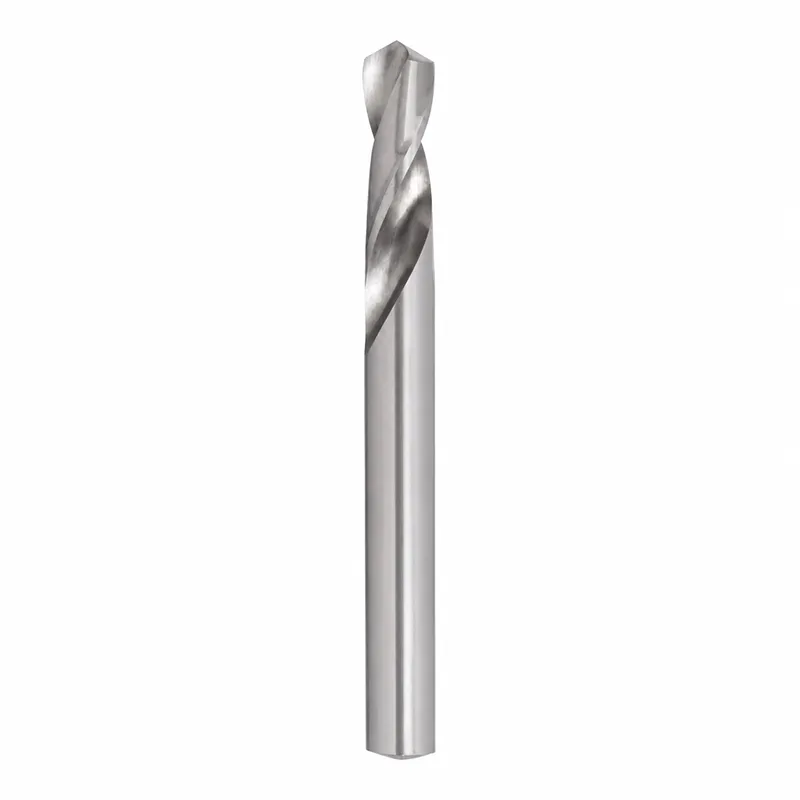
HSS Stub Length Twist Drill Bits
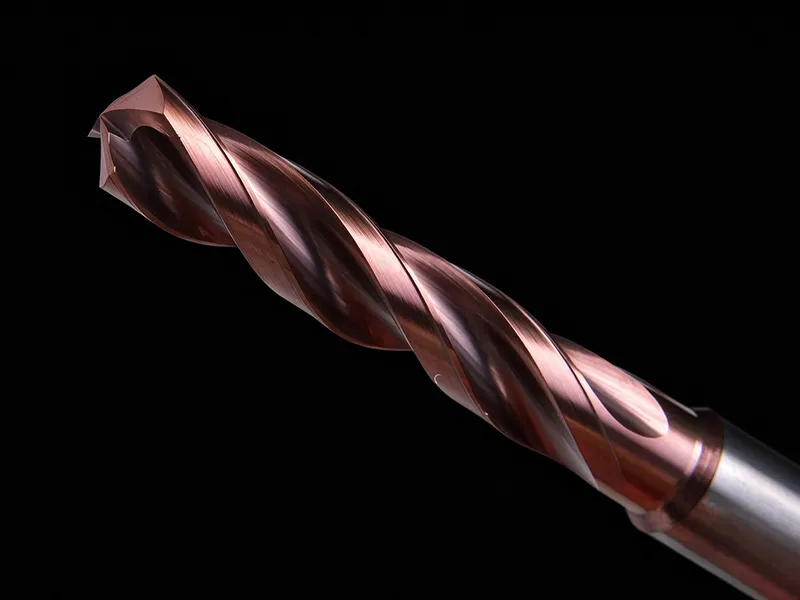
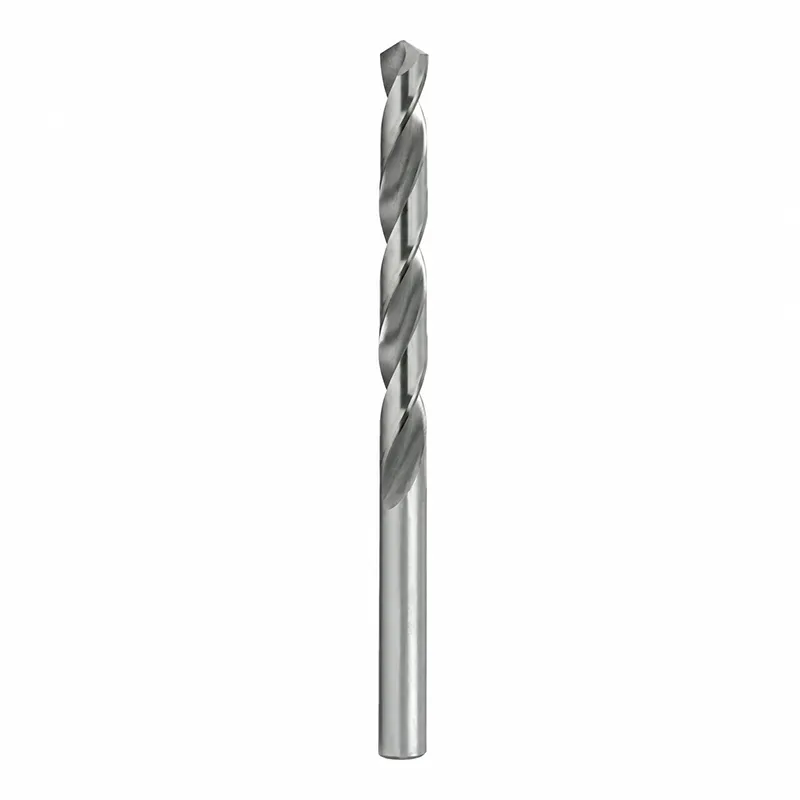
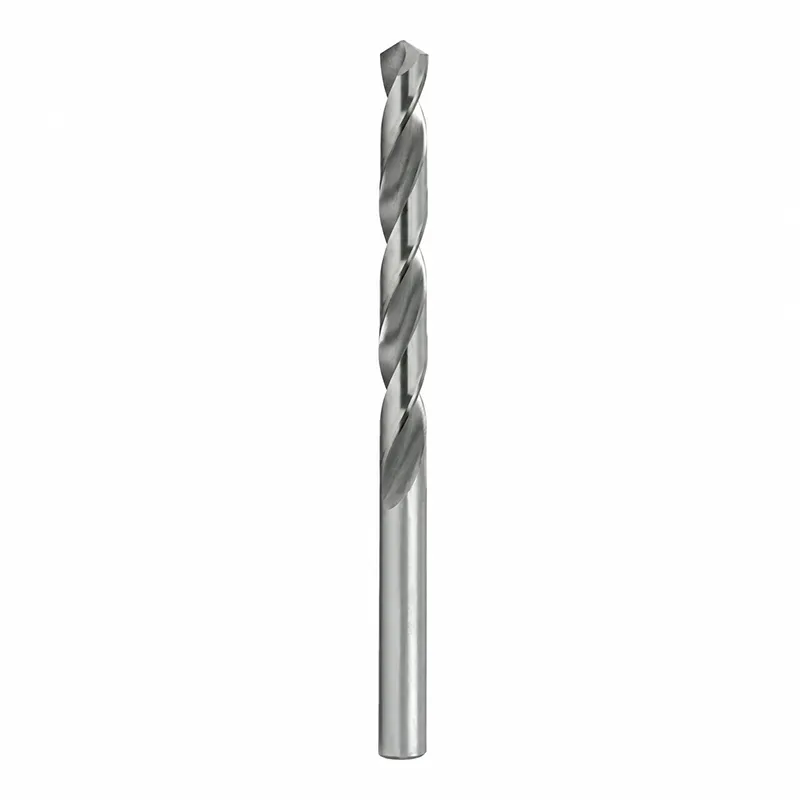
Need a shorter drill for shallow-hole machining? RONGKE HSS Stub Length Twist Drill Bits follow the DIN 1897 stub-length format, using an HSS body, 118° point and cylindrical shank. The compact dimensions help reduce unnecessary tool overhang where a longer jobber drill is not required, making these Twist Drill Bits suitable for general engineering parts, jigs, fixtures and workshop drilling.
A longer drill is not always necessary. When the required hole is relatively shallow, using a jobber-length drill can leave more tool length unsupported than the operation actually needs. A stub-length drill provides a more compact alternative.
The RONGKE HSS Stub Length Twist Drill Bits reference configuration follows DIN 1897, with shorter overall and flute lengths than a conventional jobber-length drill. This makes it worth considering when the hole depth can be covered by the available flute length and there is a need to keep the drilling setup compact.
The choice should be based on the actual hole rather than the drill name alone. Before ordering, check the required drilling depth, chuck clearance, fixture position and workpiece access.
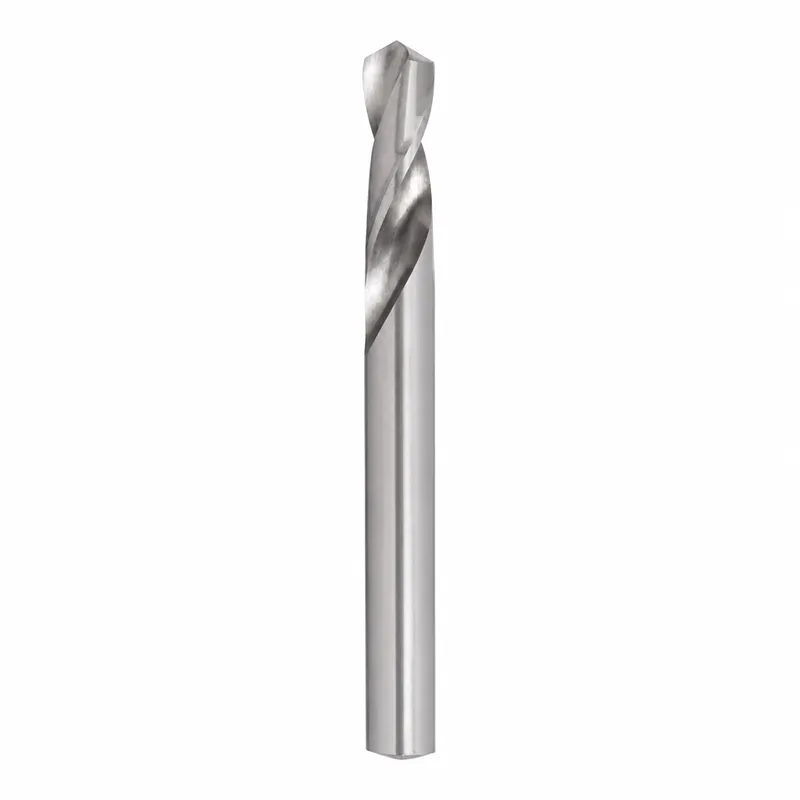
Shorter Tool, Less Unnecessary Overhang
The main benefit of this HSS Stub Length Twist Drill Bits lies in its proportions rather than a special coating or unusual material grade.
Compact Overall Length
The shorter configuration is intended for drilling situations where a longer tool would provide more length than necessary. This can make the tool easier to accommodate around the chuck, fixture and workpiece.
Reduced Tool Overhang
Where the hole depth permits, less unused tool length extends beyond the holder. This is the key reason to consider a stub drill instead of automatically selecting a jobber-length version.
Practical for Shallow Holes
The design is particularly relevant to cylindrical shallow holes in general engineering components, jigs, fixtures and other parts where extended drilling length is unnecessary.
Standard HSS Construction
The reference version uses HSS with a 118° point, right-hand cutting direction and cylindrical shank, providing a familiar configuration for conventional metal drilling equipment.
Key Facts at a Glance
|
Item |
Reference configuration |
|
Reference material |
HSS |
|
Length format |
Stub length |
|
Reference dimensions |
DIN 1897 |
|
Point and rotation |
118 degree point; right hand cutting |
|
Shank and finish |
Cylindrical shank; uncoated |
Technical Specifications
Common reference sizes in mm. Final material, geometry, dimensions and availability are confirmed with the quotation.
|
Drill diameter d |
Overall length L |
Flute length l |
|
3.0 |
46 |
16 |
|
4.0 |
55 |
22 |
|
5.0 |
62 |
26 |
|
6.0 |
66 |
28 |
|
8.0 |
79 |
37 |
|
10.0 |
89 |
43 |
Where Stub Length Drills Fit
Shallow-Hole Machining
This is the most direct application. Where the required cylindrical hole is within the usable flute length, a shorter drill can avoid unnecessary tool length.
Jigs and Fixtures
Jigs and fixtures often require careful consideration of tool access. The compact format can be useful when the drilling point is surrounded by tooling or when chuck clearance needs to be controlled.
General Engineering Parts
The drills can be used for suitable steel, aluminium and other general engineering components, subject to the workpiece grade and hardness.
Workshop and Maintenance Drilling
For routine workshop jobs where deep drilling capacity is not required, the stub-length format offers a practical alternative to carrying unnecessarily long drills.
Compact Machine Setups
Where the distance between the tool holder and workpiece needs to remain short, the available stub-length configuration can be evaluated against the machine and fixture arrangement.
Select the Length Before Selecting the Drill
For this HSS Stub Length Twist Drill Bits, diameter is only one part of the purchasing decision. The required depth and available space should be established first.
Required Hole Depth Confirm how deep the cylindrical portion of the hole actually needs to be. The selected flute length must provide sufficient working depth.
Flute Length Do not judge suitability from overall length alone. Flute length determines how much of the drill is available for cutting and chip evacuation.
Chuck Clearance Measure the available space between the chuck or holder and the workpiece. A shorter drill may be preferable where this distance is restricted.
Fixture Access If the component is held in a jig or fixture, check whether the selected drill can reach the hole without interfering with surrounding tooling.
Workpiece Material Provide the material grade and hardness when requesting a quotation. This is particularly important when the application involves materials outside routine engineering grades.
Before Ordering
To check whether the stub-length configuration matches your application, send drill diameter, required hole depth, workpiece material and hardness, available chuck or fixture clearance and order quantity. Machine type and shank requirements can also be included where the setup is unusual.
For regular purchasing, RONGKE can confirm the available standard configuration and quotation based on the required size. For special dimensions or machining conditions, provide the application details before production so the tool specification can be reviewed in advance.
FAQ
What is an HSS Stub Length Twist Drill?
It is a shorter-format HSS twist drill intended for applications where the required hole depth does not call for a longer jobber-length tool. The RONGKE reference configuration follows DIN 1897.
What is the main reason to use a stub drill?
The shorter body reduces unnecessary tool overhang when the hole is shallow enough to be completed with the available flute length. It is primarily a length-selection advantage, rather than a different HSS material grade.
What is the difference between DIN 1897 and DIN 338 drills?
DIN 1897 is used for stub-length drill configurations, while DIN 338 is commonly associated with jobber-length twist drills. The appropriate format depends on hole depth, tool access and the available drilling setup.
Can a stub drill be used for deep holes?
Only when its available flute length and overall configuration are sufficient for the required operation. A stub drill should not be treated as a direct replacement for a longer drill when the hole depth exceeds its practical working range.
What materials are suitable for these HSS stub drills?
They are intended for suitable general engineering materials. The exact workpiece grade and hardness should be provided when ordering so the suitability of the HSS configuration can be assessed.
Does the stub design mean the shank is a different diameter?
Not necessarily. The reference RONGKE configuration uses a conventional cylindrical shank. Shank dimensions should be confirmed against the selected drill size and machine setup.
Can RONGKE supply a custom stub-length drill?
Yes. RONGKE manufactures both standard hole-processing tools and non-standard cutting tools. If the required diameter, length or geometry differs from the standard configuration, provide the drawing or machining requirements for evaluation.
Related Category
Send Inquiry
Contact Info
-
Address
No. 399 Haohai Road, Binhai New Area, Economic Development Zone, Fenghua District, Ningbo City, Zhejiang Province, P.R.China
-
Tel
-
Email
Request a quotation from RONGKE for standard U drills, modular deep hole drills and customized CNC cutting tools. Share your machining requirements, tool dimensions and order quantity for professional product recommendations.
News Recommendations