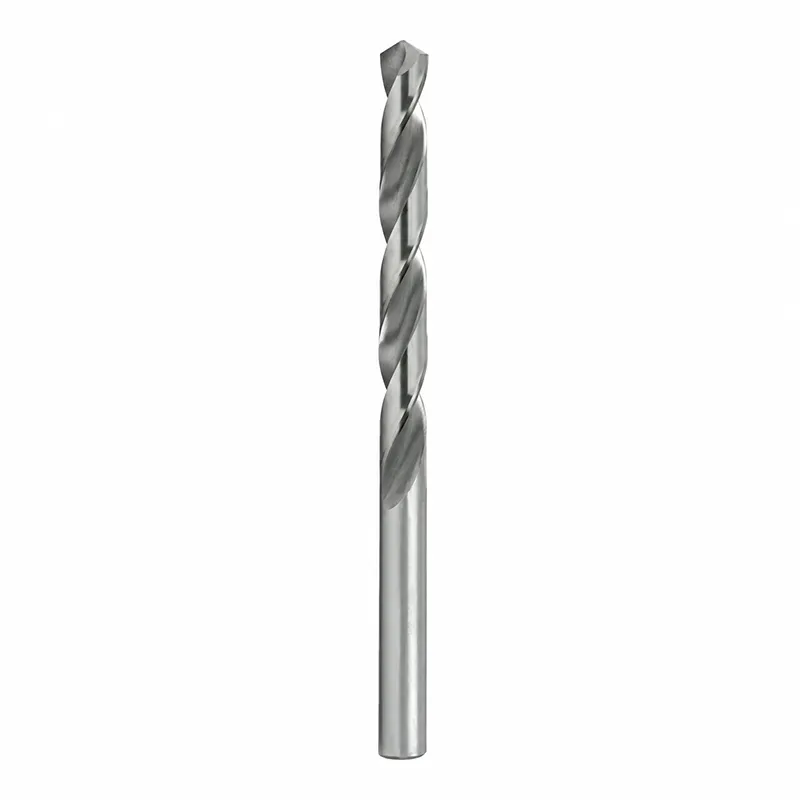
HSS G Ground Twist Drill Bits
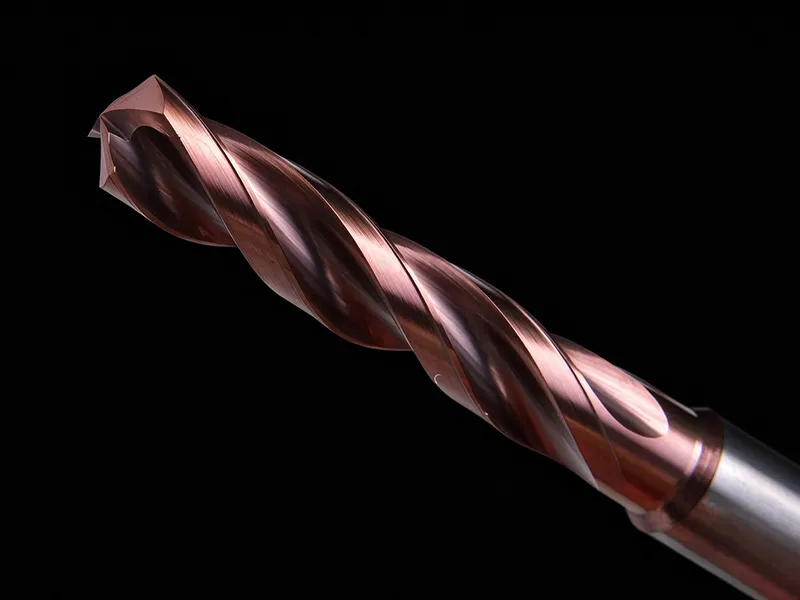
For buyers looking for a fully ground HSS drill for general metal drilling, RONGKE offers HSS G Ground Twist Drill Bits with a ground flute, 118° split point and cylindrical shank. The drills are suited to steel, aluminium and general engineering parts, with DIN 338 jobber-length configurations and common sizes available for routine workshop and machining requirements. Standard supply and non-standard tooling requirements can both be discussed with RONGKE according to the application.
When a drilling application calls for a fully ground HSS twist drill, this HSS G Ground Twist Drill Bits provides a conventional jobber-length configuration for everyday metalworking. The flute is fully ground to form the cutting profile and chip space, while the 118° split point gives the drill a defined point geometry.
The reference configuration uses a cylindrical shank, right-hand cutting direction and uncoated finish, with dimensions based on DIN 338 jobber length. It is intended for steel, aluminium and general engineering parts, making it suitable for machine shops, fabrication work and workshop drilling.
For buyers comparing different HSS twist drill configurations, the key distinction is straightforward: this is the ground version, rather than a rolled-flute drill. Diameter, length, point configuration and workpiece conditions should be confirmed when selecting the appropriate tool.
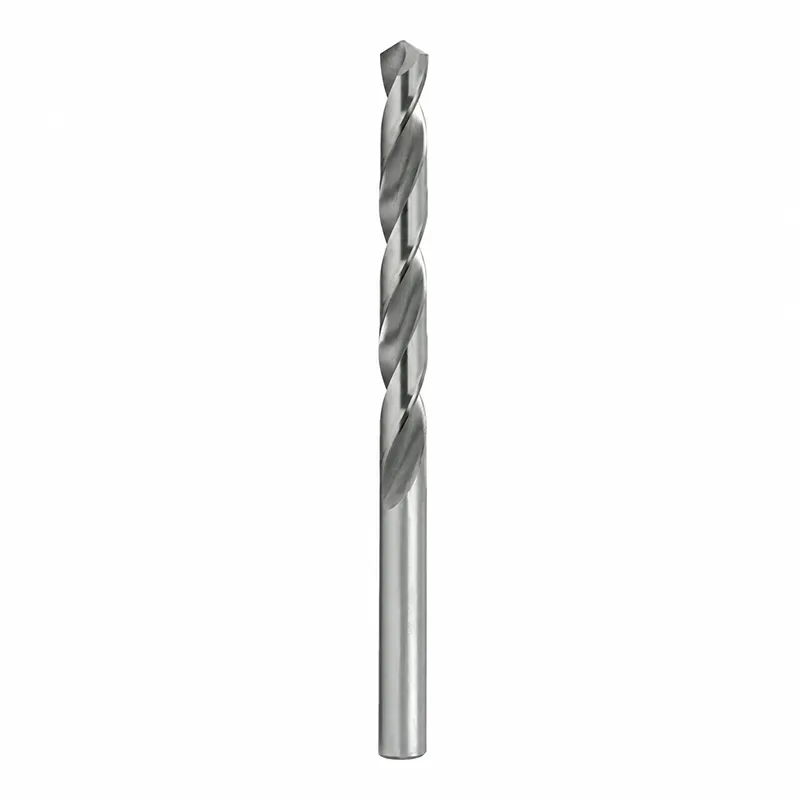
Key Facts at a Glance
|
Item |
Reference configuration |
|
Reference material |
HSS |
|
Manufacturing form |
Fully ground twist drill |
|
Reference dimensions |
DIN 338 jobber length |
|
Point and rotation |
118 degree split point; right hand cutting |
|
Shank and finish |
Cylindrical shank; uncoated |
Technical Specifications
Common reference sizes in mm. Final material, geometry, dimensions and availability are confirmed with the quotation.
|
Drill diameter d |
Overall length L |
Flute length l |
|
3.0 |
61 |
33 |
|
4.0 |
75 |
43 |
|
5.0 |
86 |
52 |
|
6.0 |
93 |
57 |
|
8.0 |
117 |
75 |
|
10.0 |
133 |
87 |
Core Design Advantages
Fully Ground Flute for a Defined Tool Geometry
The entire flute is ground rather than rolled, giving the drill a clearly formed cutting profile and chip space. This configuration is suitable when a buyer specifically requires a ground HSS twist drill for general engineering work.
118° Split Point
The split-point design reduces the length of the central chisel edge at the drill point. Combined with the 118° point angle, it provides a defined cutting geometry for routine drilling operations.
Conventional Jobber-Length Configuration
The DIN 338 jobber-length reference makes the drill straightforward to specify for conventional drilling setups. Buyers can select the diameter and overall length according to the required hole and available machine setup.
Cylindrical Shank for Conventional Tool Holding
The cylindrical shank provides a familiar configuration for standard chuck-based drilling setups. Machine and chuck details can be confirmed before purchase to ensure the selected drill matches the equipment.
Uncoated HSS Configuration
The reference version is supplied with an uncoated finish, providing a straightforward HSS ground-drill option for buyers who do not require a coated tool configuration.
Consistent Manufacturing and Inspection
RONGKE combines precision grinding, tool inspection and controlled production processes to support consistent drill dimensions and geometry. For customers with specific requirements, the company can also evaluate non-standard cutting-tool configurations.
Where Ground Twist Drills Fit
General Engineering
Suitable for routine hole-making in general engineering parts where a fully ground HSS twist drill is preferred.
Steel Components
A practical option for conventional drilling of steel components. The appropriate drill configuration should be selected according to the material grade and hardness.
Aluminium Parts
Suitable for general drilling requirements in aluminium components, with the actual cutting conditions matched to the workpiece and machine.
Workshop & Maintenance
The jobber-length format fits conventional workshop equipment and maintenance operations where commonly used drill diameters are required.
Metal Fabrication
Can be used for routine drilling in fabricated metal parts, brackets and other workshop components where the required hole size and depth fall within the selected drill configuration.
Match the Drill to the Workpiece
Material Comes First
Steel, aluminium and general engineering parts are within the reference application range. For stainless steel, special alloys or harder materials, the material grade and hardness should be provided before selecting the drill.
Check the Required Hole
Diameter is only part of the selection. The required usable drilling depth should also be considered against the flute length and overall drill length.
Consider the Machine Setup
Machine type, chuck condition, tool holding and runout can affect drilling results. Providing these details helps RONGKE assess whether the selected configuration is appropriate.
Confirm the Point Geometry
The reference product uses a 118° split point. If a different point geometry is required for a particular application, confirm it before ordering.
Do Not Treat Drill Accuracy as a Single-Tool Issue
Finished-hole accuracy also depends on machine runout, tool holding, workpiece condition and cutting parameters. For demanding hole tolerances, these factors should be evaluated together with the drill specification.
Why Choose RONGKE?
With more than ten years of experience in precision hole-processing cutting tools, RONGKE combines in-house R&D, production and inspection with an independent laboratory and high-end 5-axis tool grinding equipment. Our manufacturing system is supported by Haas machining centers, precision grinding, heat-treatment and coating facilities, while coordinate measuring machines, tool contour detectors, hardness testers and roughness testers are used for quality inspection. RONGKE supplies standard cutting tools as well as non-standard customized solutions, with professional engineers available for tool selection and sample trial cutting. As a National High-Tech Enterprise with ISO 9001, ISO 14001 and ISO 45001 certifications, RONGKE also supplies overseas markets including Russia.
FAQ
What is an HSS G Ground Twist Drill Bit?
It is a high-speed steel twist drill manufactured with fully ground flutes. The reference RONGKE configuration uses a 118° split point, right-hand cutting and a cylindrical shank.
What is the difference between a ground twist drill and a rolled twist drill?
The main manufacturing difference is the flute formation. A ground twist drill uses ground flute geometry, while a rolled twist drill uses a rolled flute construction. The choice depends on the required tool configuration and machining application.
What materials can these HSS ground twist drills be used for?
The reference application covers steel, aluminium and general engineering parts. For special alloys, harder materials or demanding machining conditions, the material grade and application should be confirmed with RONGKE.
What point configuration does the HSS G Ground Twist Drill Bits use?
The reference configuration uses a 118° split point with right-hand cutting. Other point requirements can be discussed for customized applications.
Are these HSS G Ground Twist Drill Bits coated?
The reference configuration is uncoated. If a particular surface treatment or alternative configuration is required, the requirement should be confirmed when requesting a quotation.
Can RONGKE make non-standard ground twist drills?
Yes. RONGKE develops and manufactures non-standard cutting tools. Buyers can provide the required diameter, length, workpiece material, machine type and point requirements for evaluation.
Related Category
Send Inquiry
Contact Info
-
Address
No. 399 Haohai Road, Binhai New Area, Economic Development Zone, Fenghua District, Ningbo City, Zhejiang Province, P.R.China
-
Tel
-
Email
Request a quotation from RONGKE for standard U drills, modular deep hole drills and customized CNC cutting tools. Share your machining requirements, tool dimensions and order quantity for professional product recommendations.
News Recommendations